

Indonesia · Project ID GCSP1288
Nusantara Archipelago
Indonesian biochar projects. Farming communities turning agricultural waste into restored soil, stronger livelihoods and carbon removed from the atmosphere.
1,500+
tonnes of CO₂ removed
750+
acres rejuvenated
tonnes of waste diverted
net CDR-to-feedstock ratio
3,000+
1:5
REGISTERED, RATED AND ENDORSED BY


PROJECT OVERVIEW
Welcome to the Nusantara Biochar Project where farming communities transform agricultural waste into an opportunity to restore soil, strengthen livelihoods and remove carbon from the atmosphere.
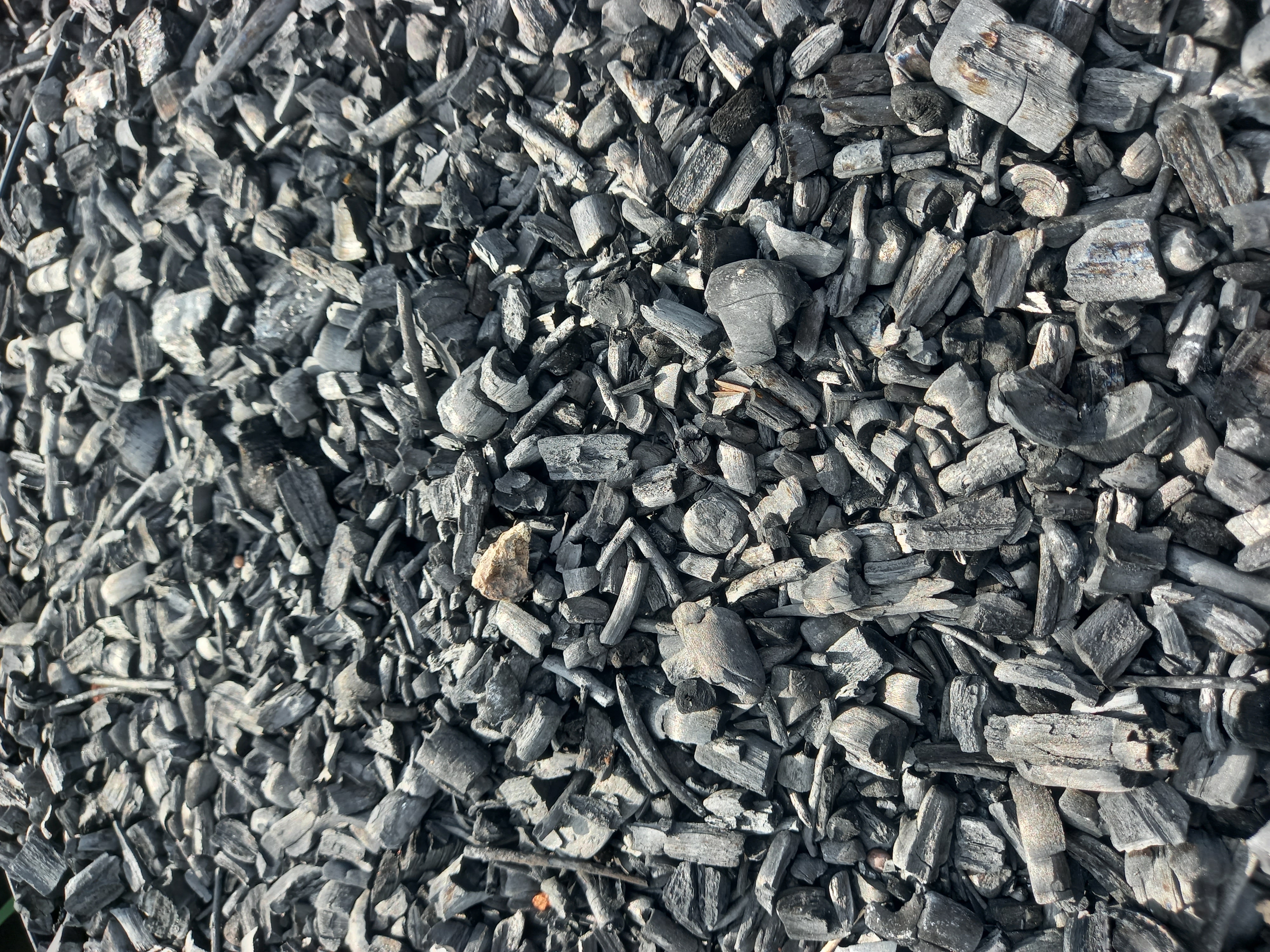
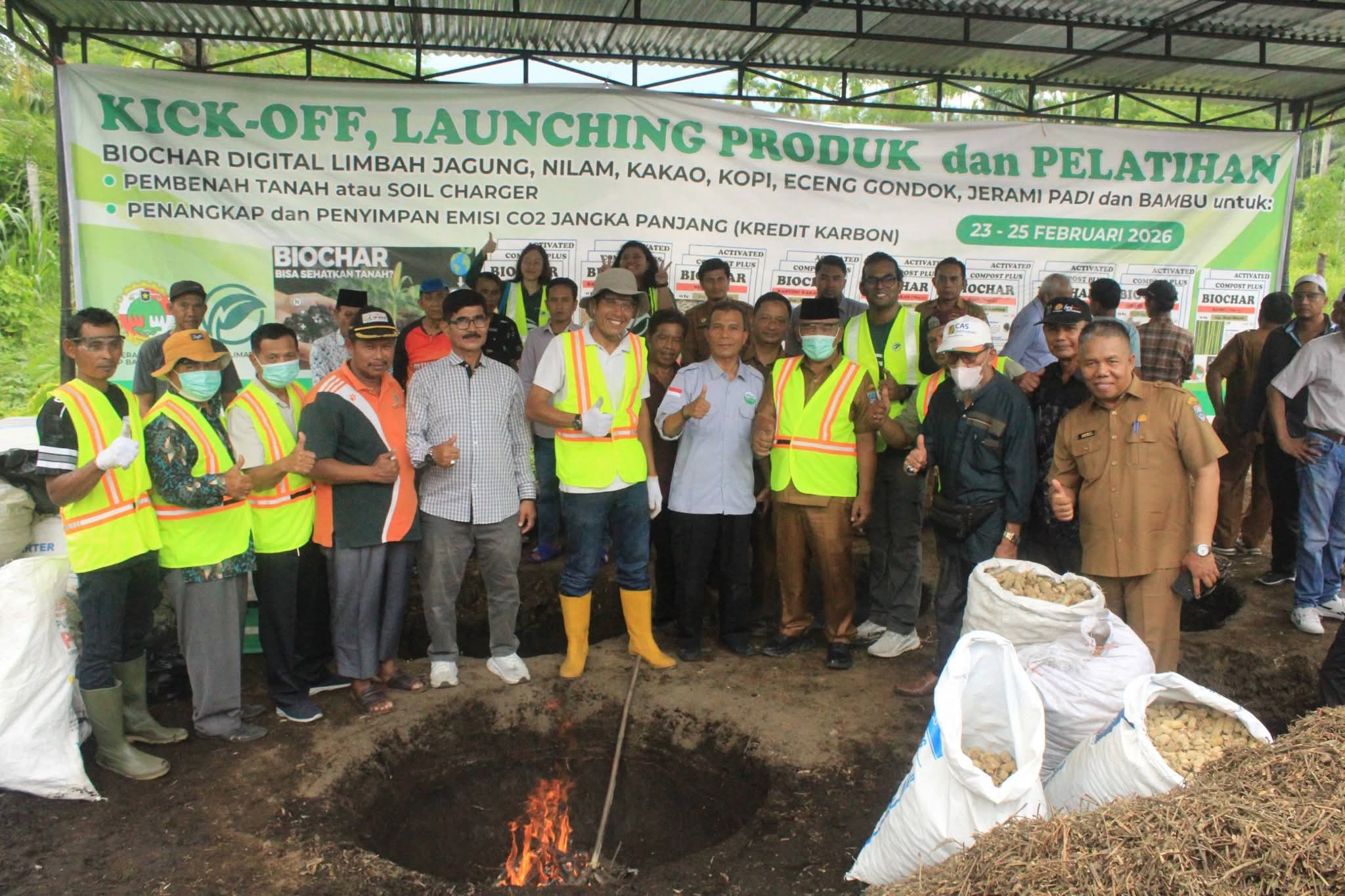
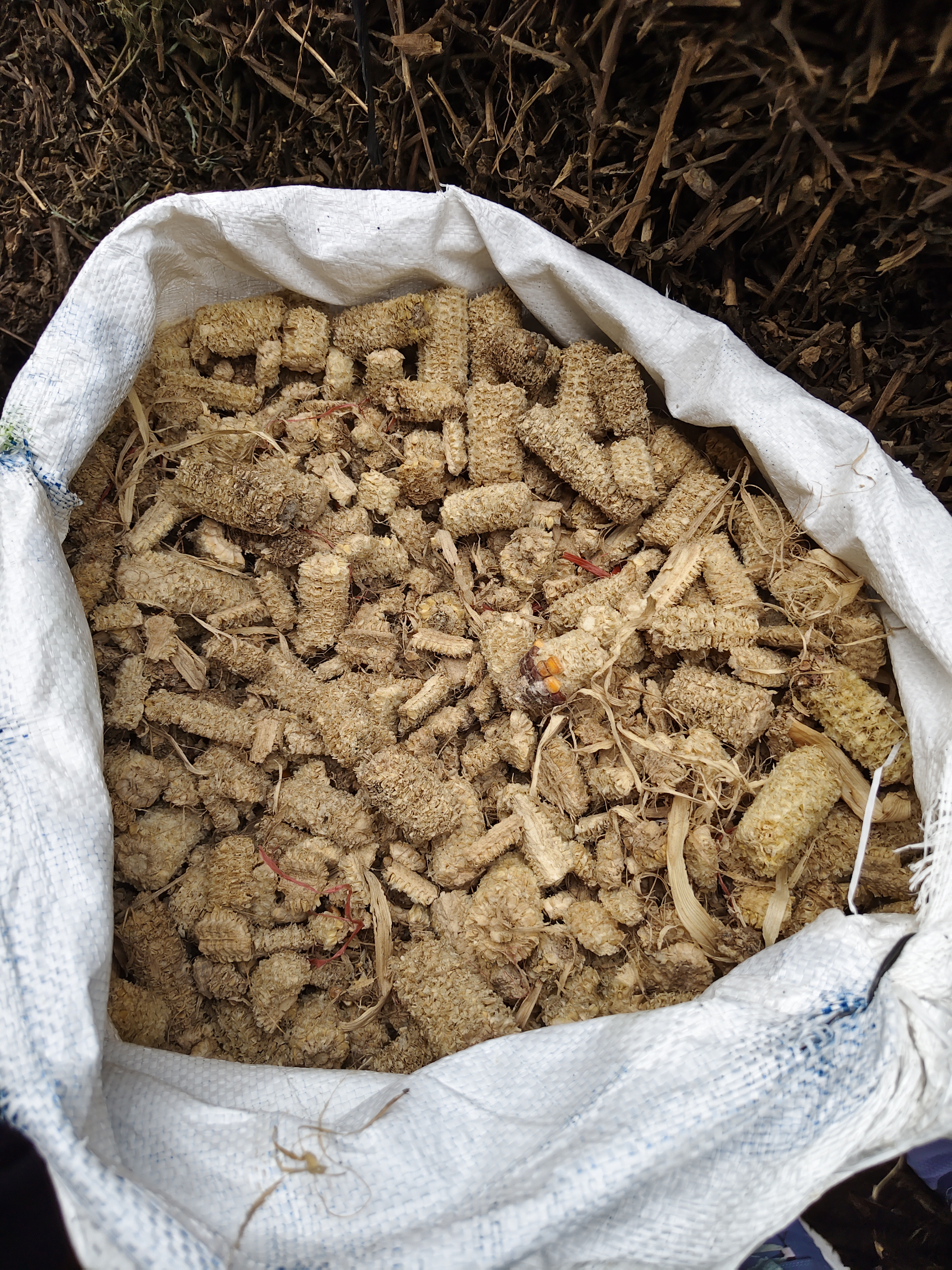
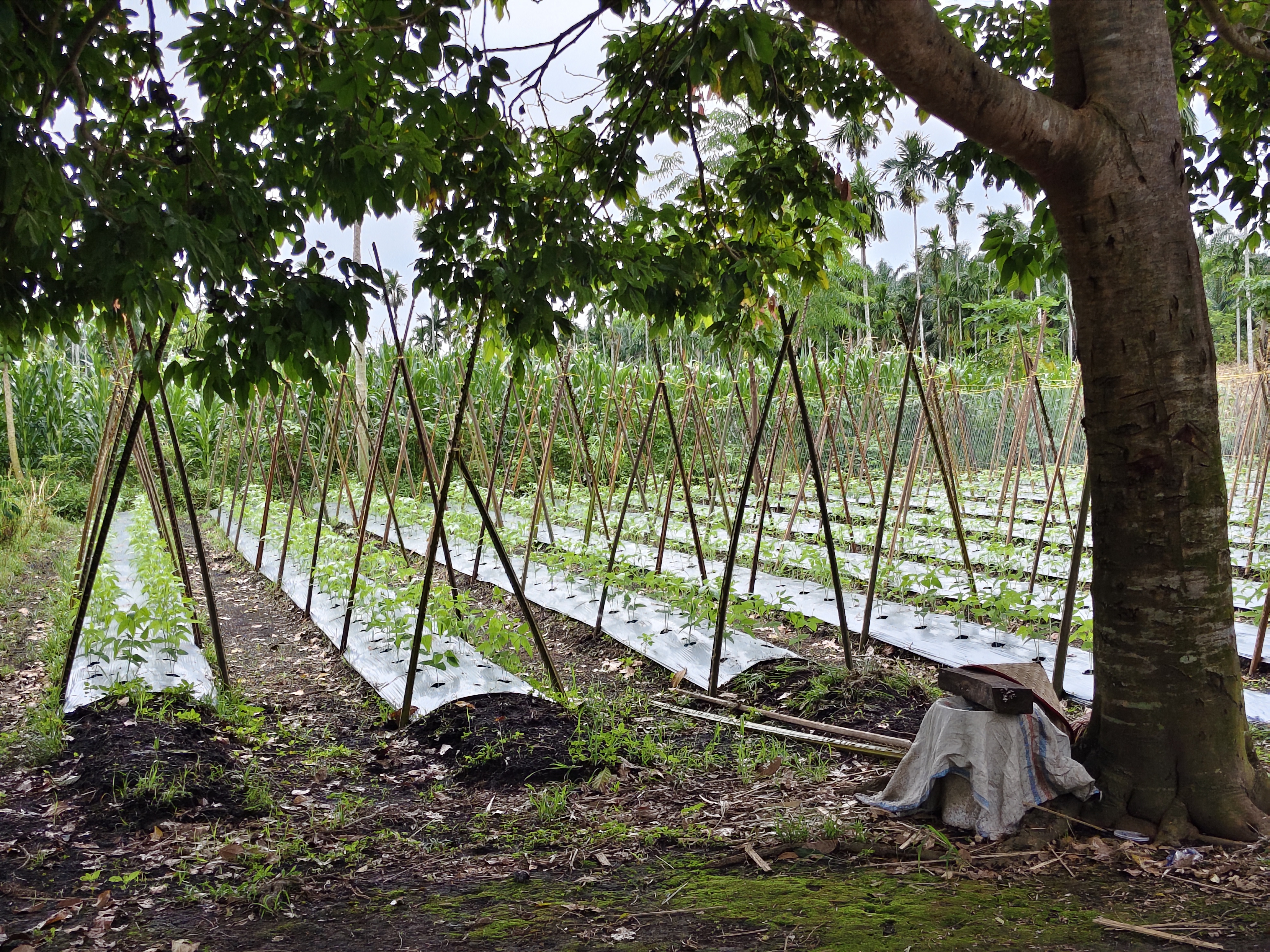
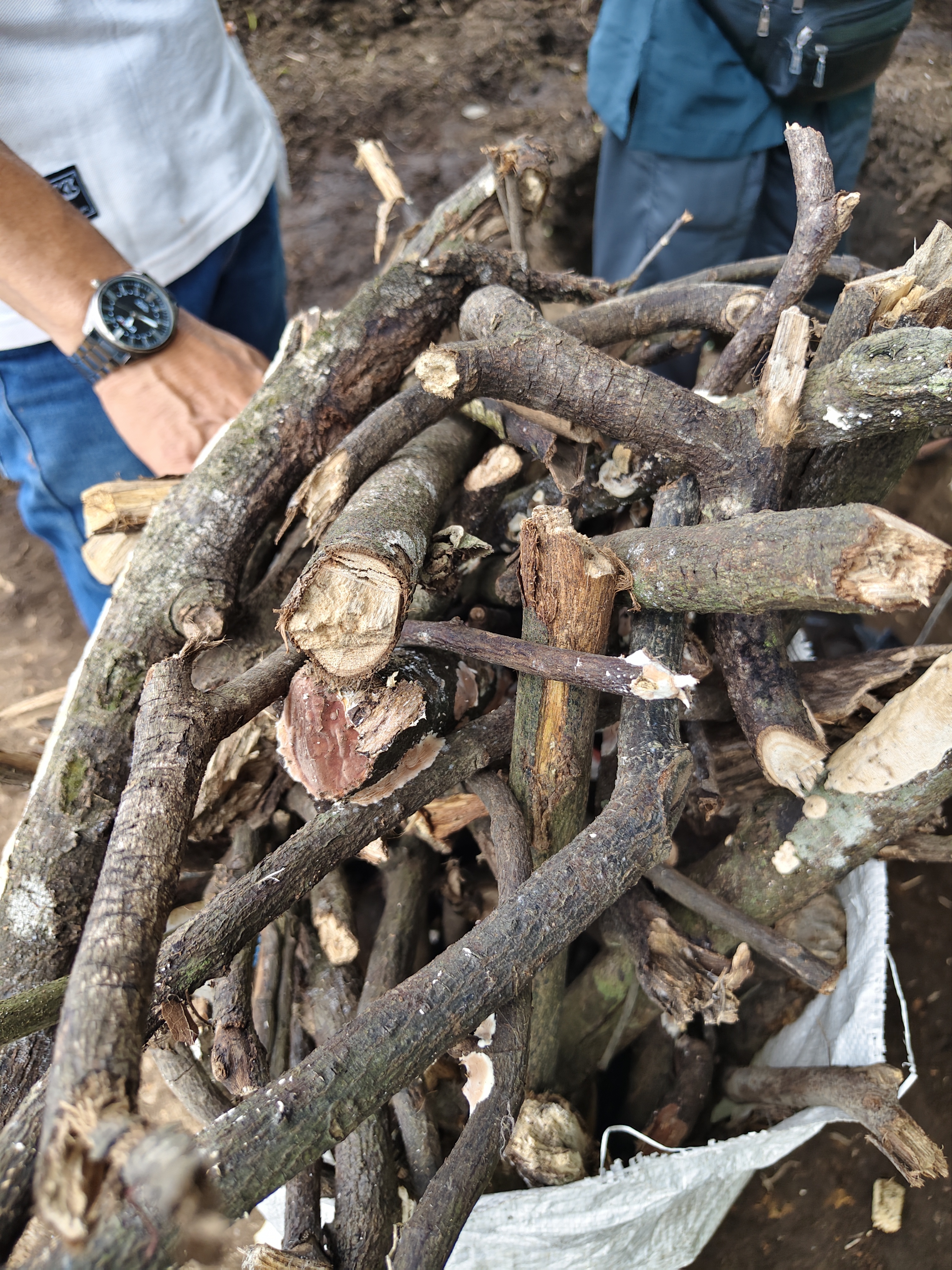
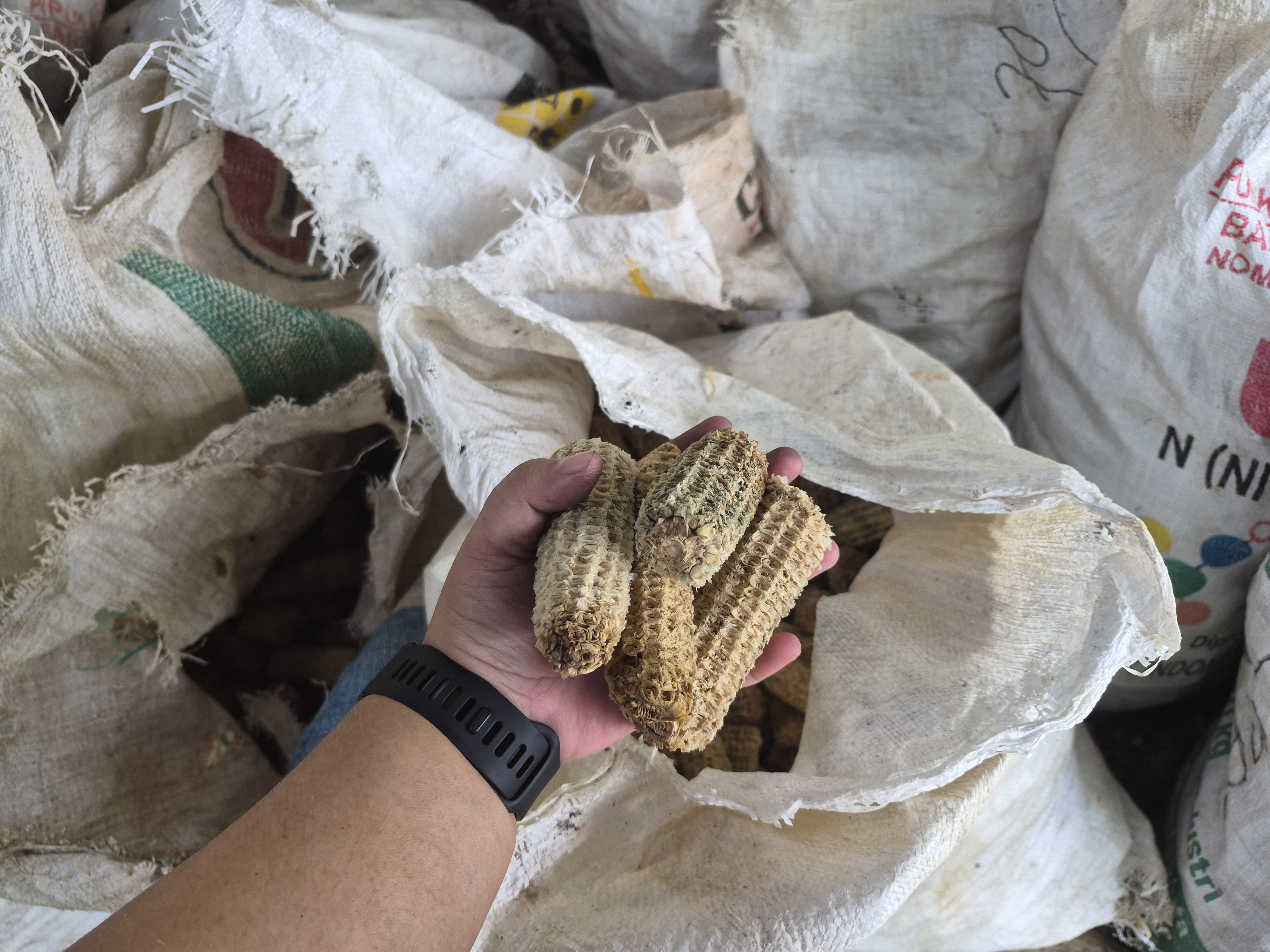
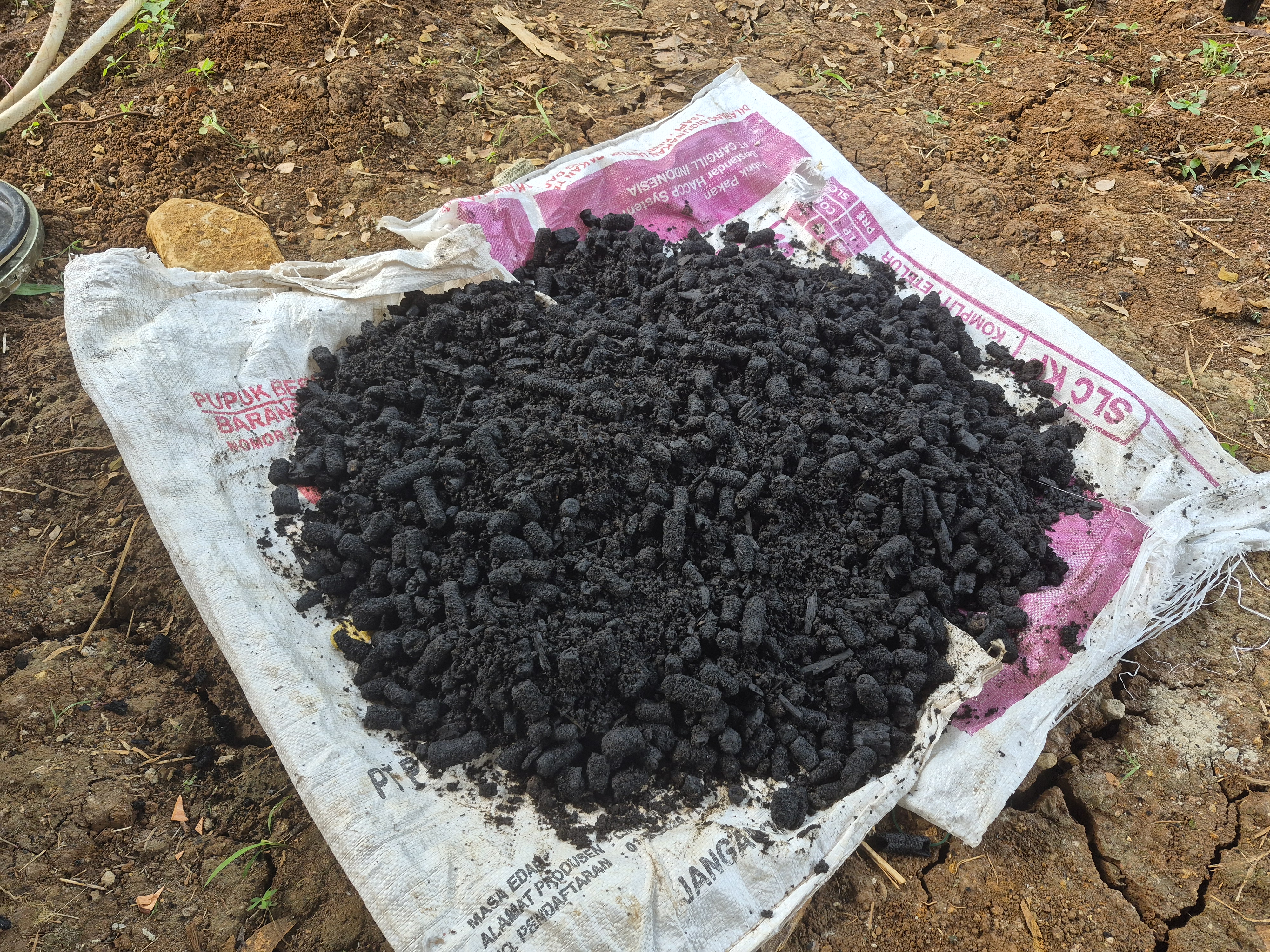
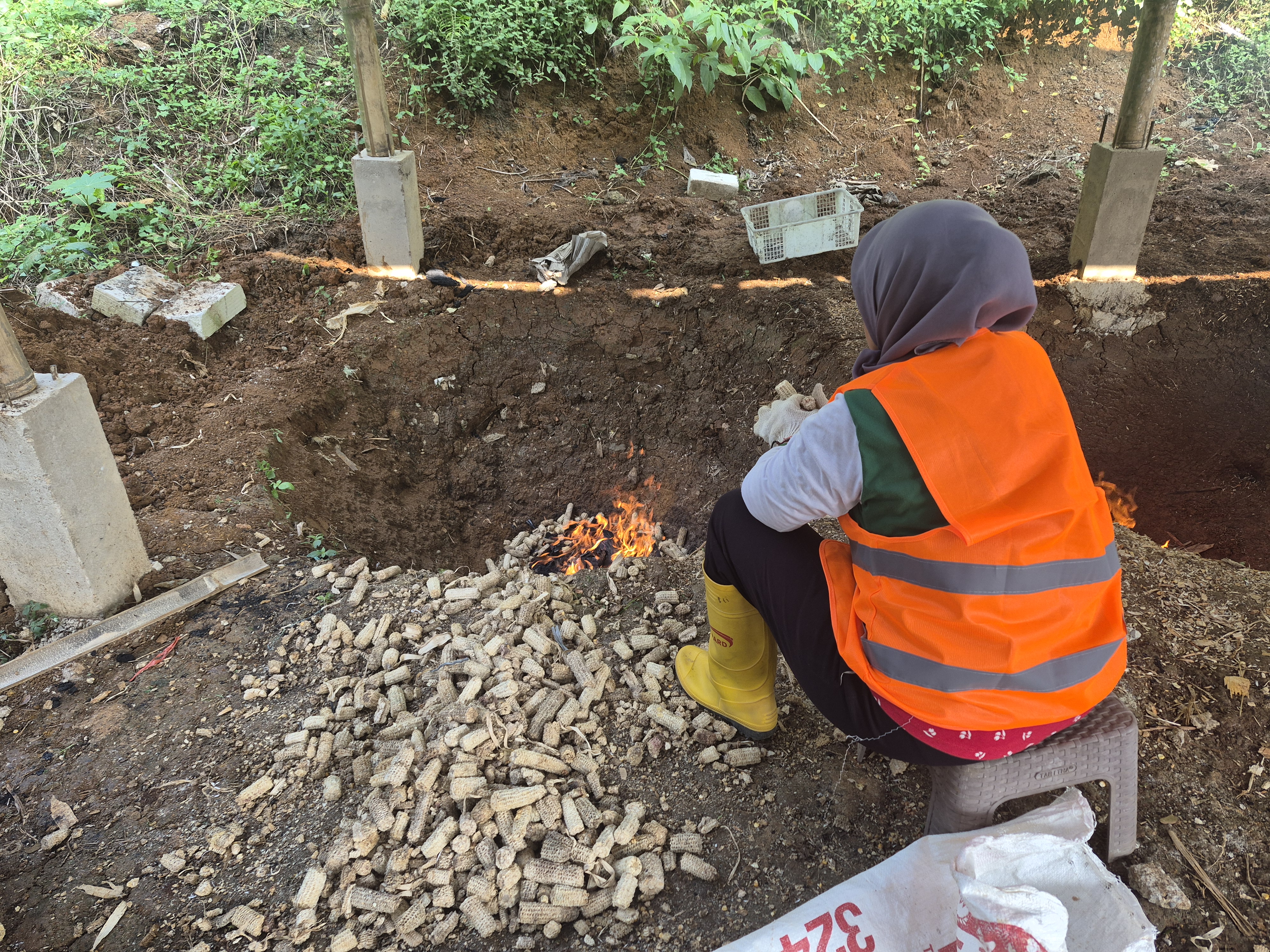
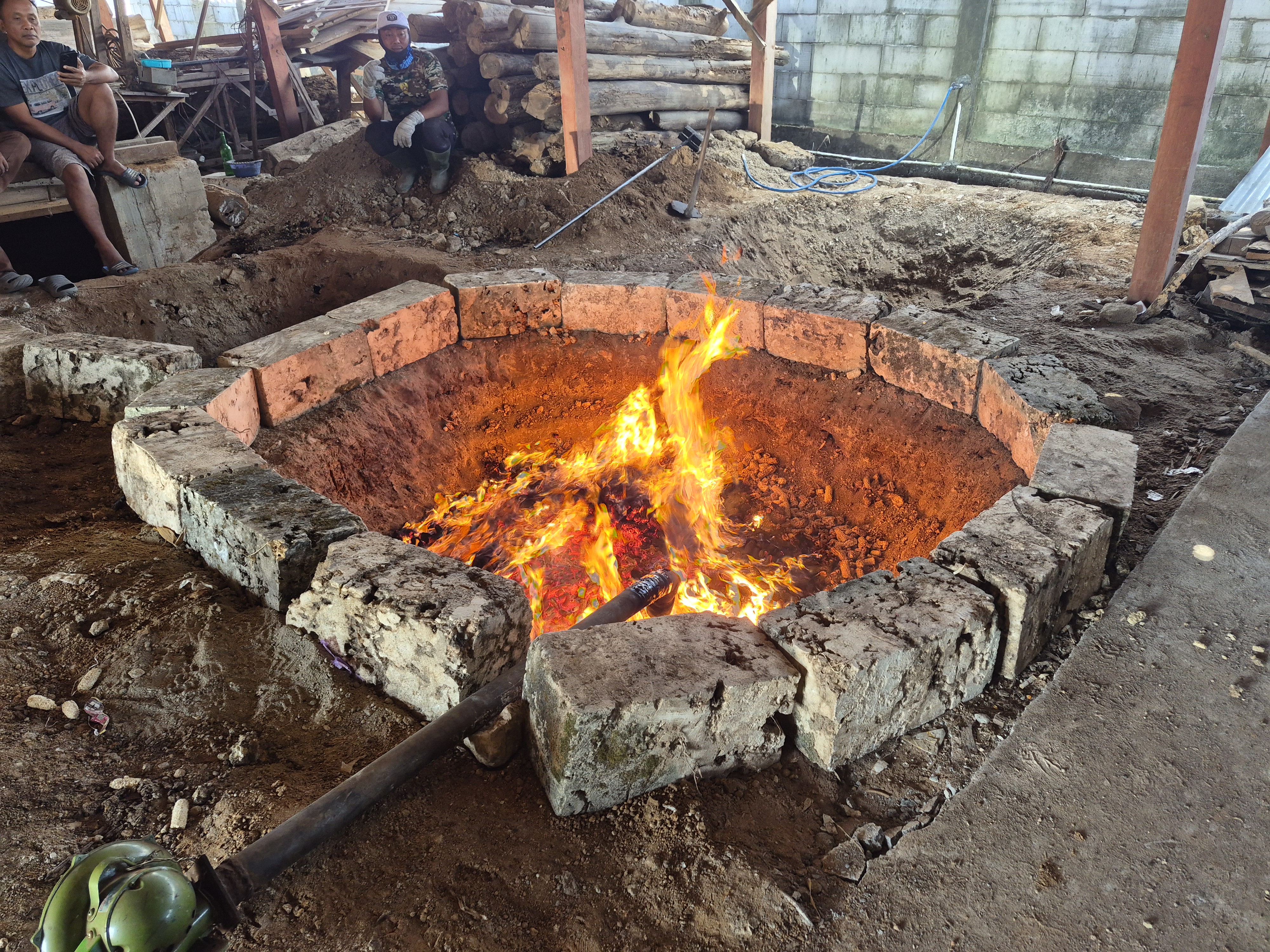
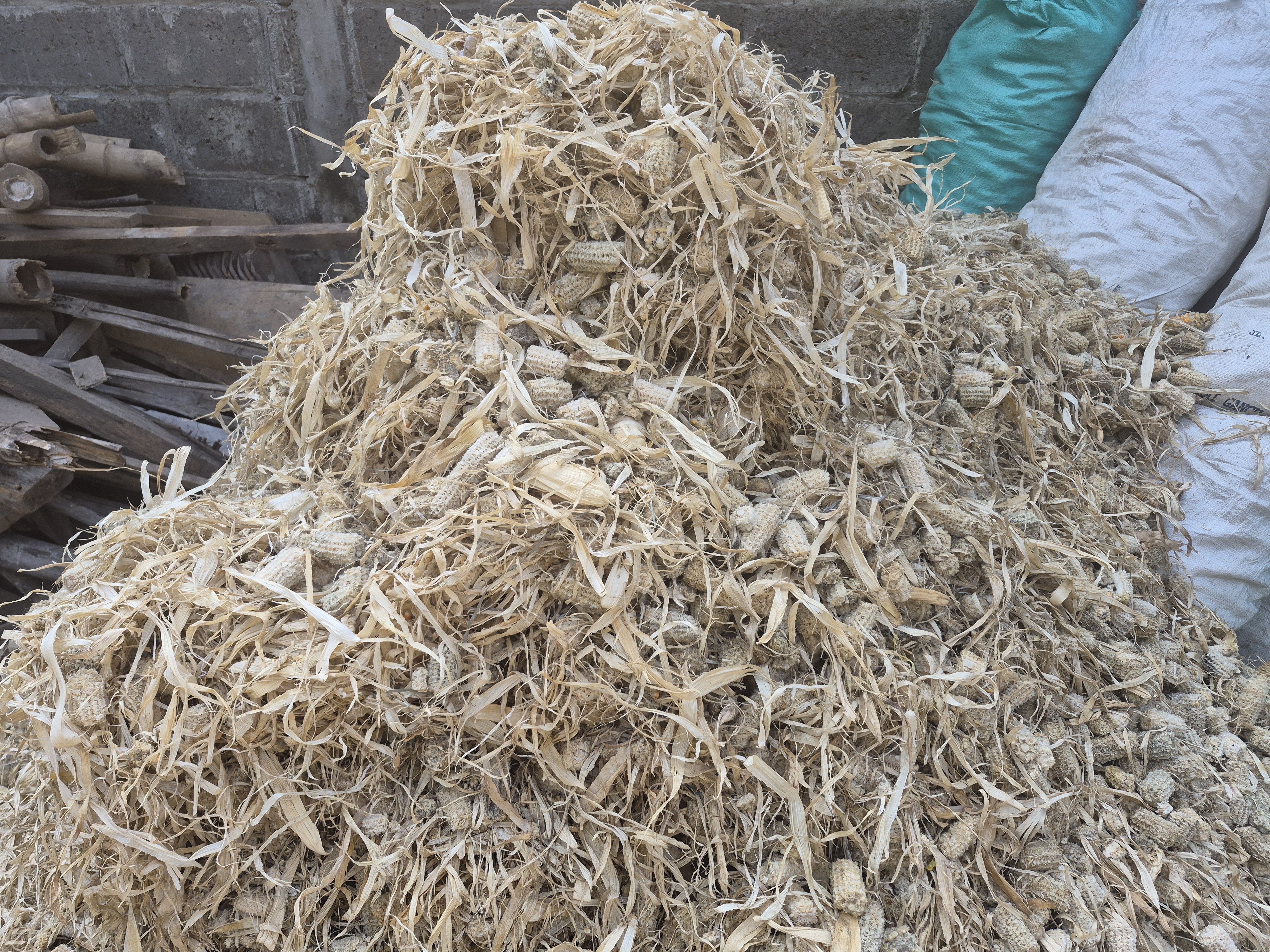
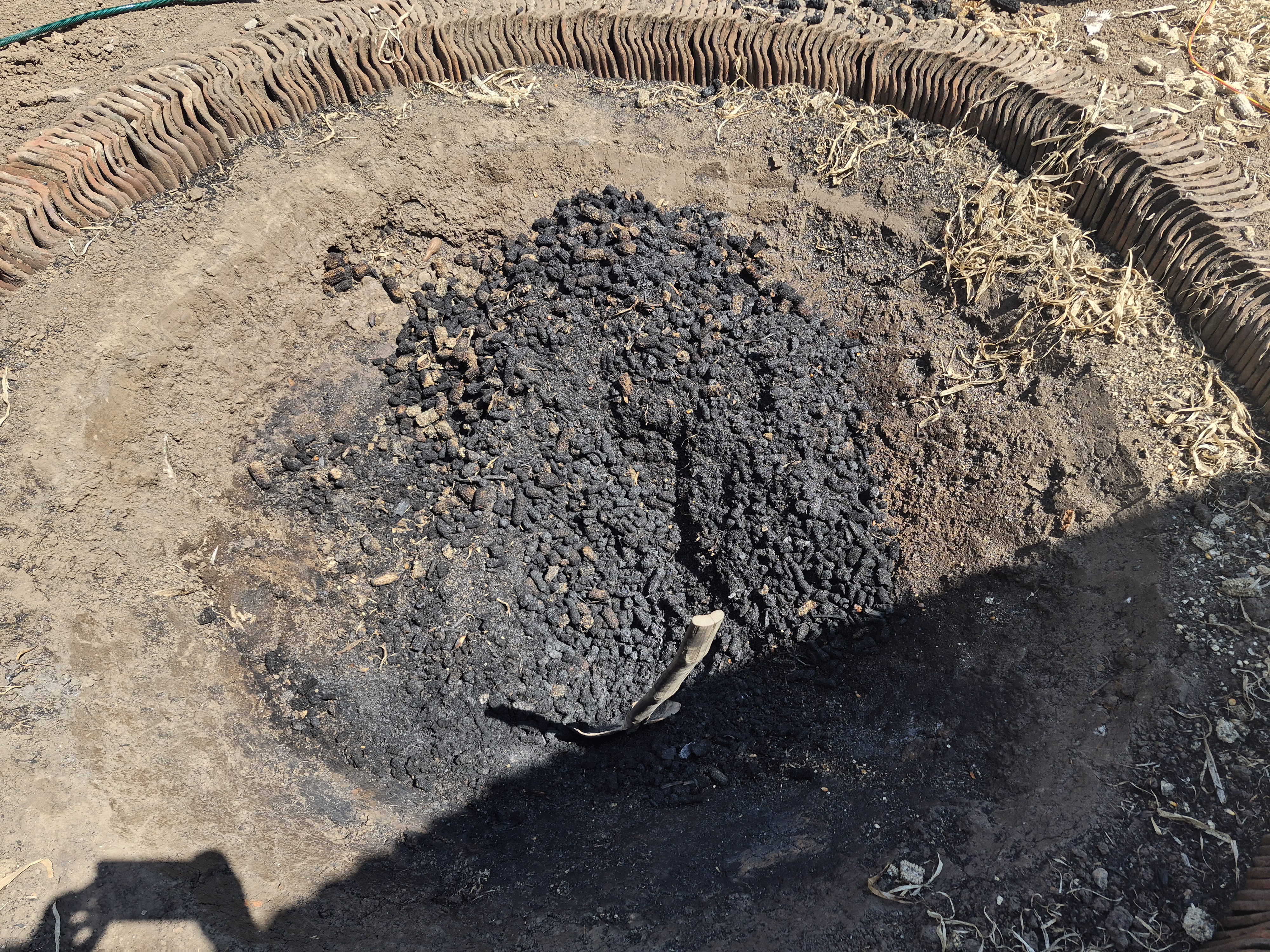
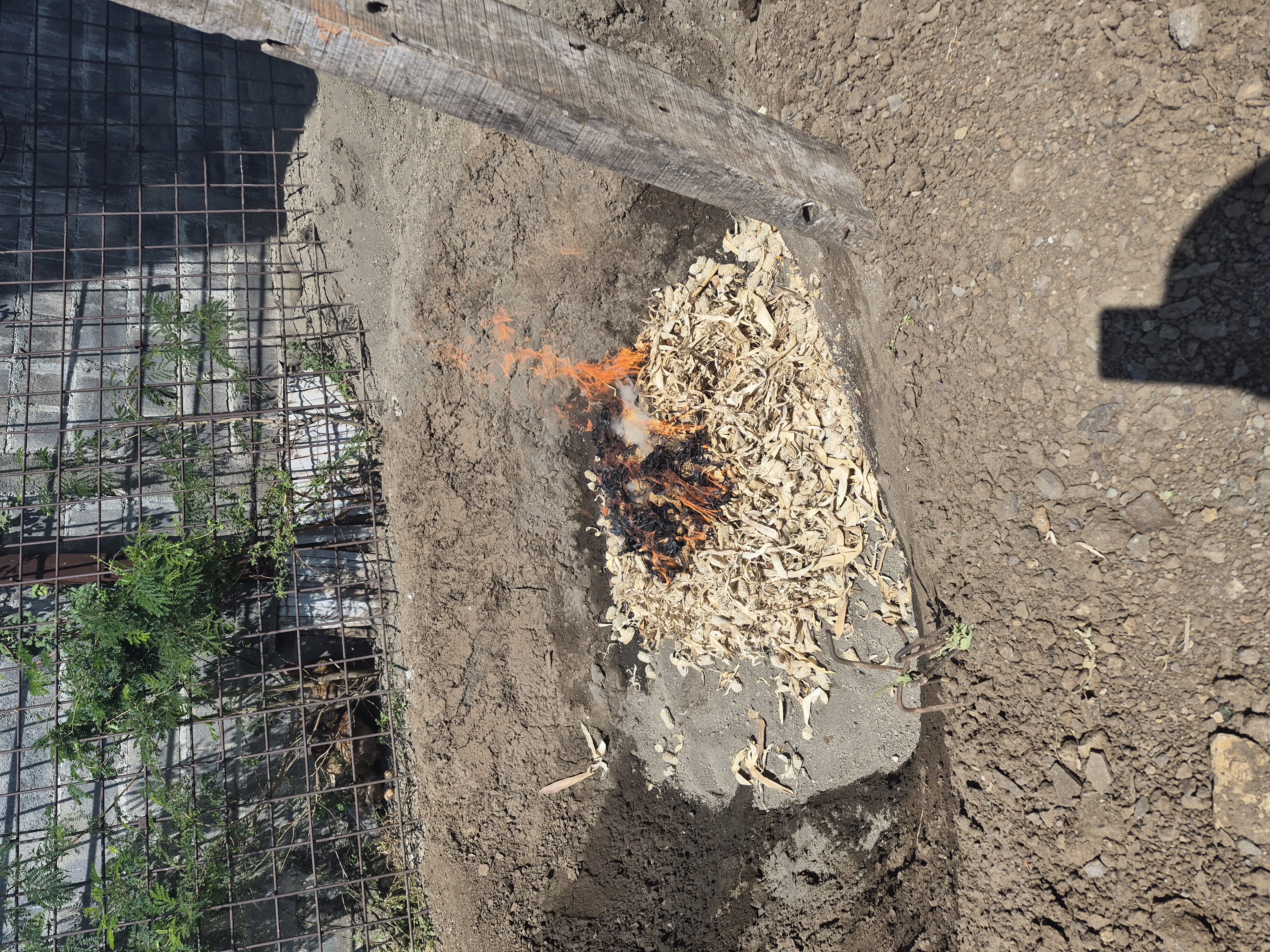
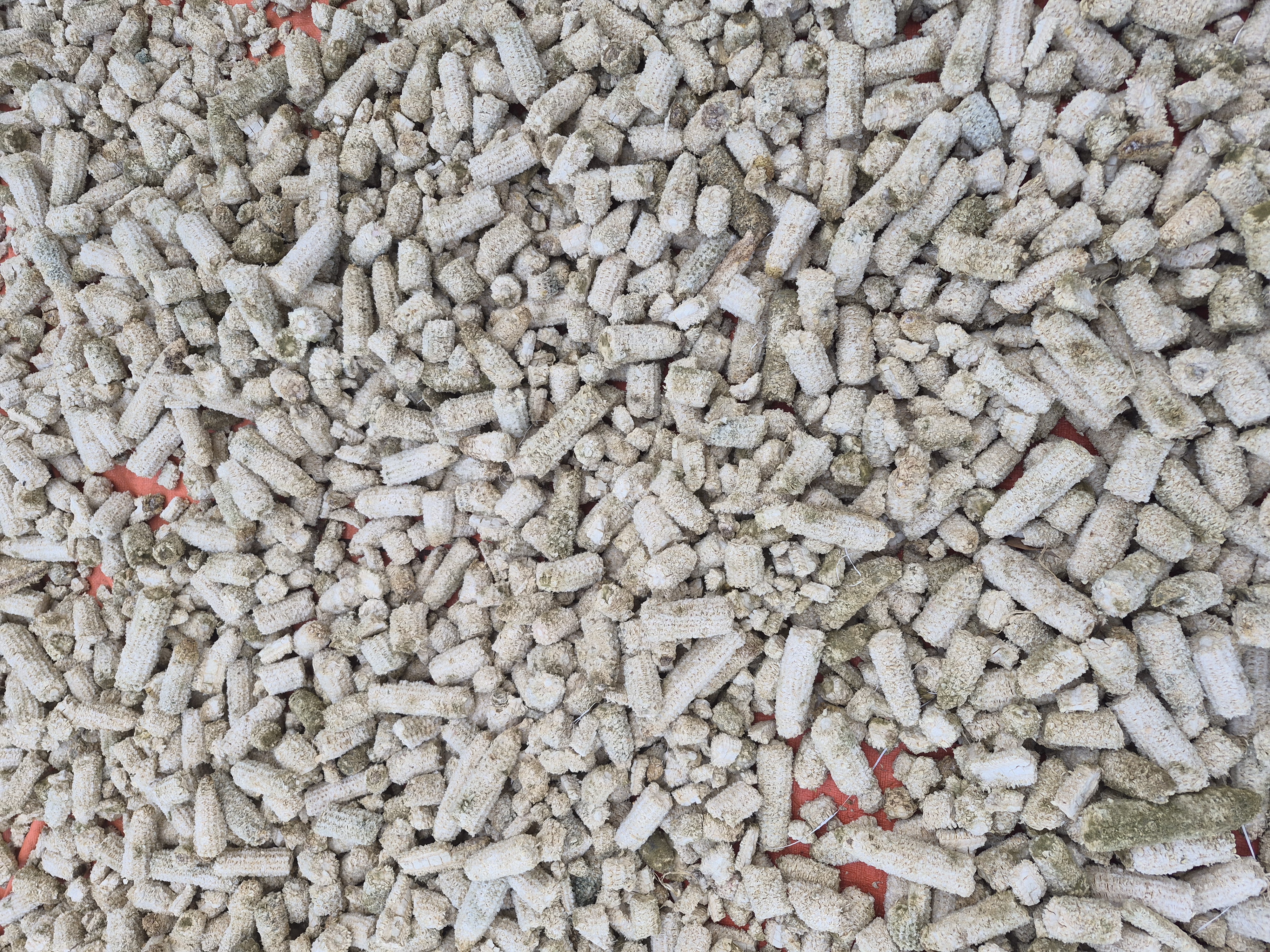
Located in West Sumatra, this project works with local farmers to turn abundant crop waste into biochar. The same “Pit-to-Plot” approach: no complex reactors, just pyrolysis in the soil where the residue already sits.
Each pit becomes a small carbon factory, turning what used to be burned into long-lived storage while improving soil fertility and water retention. Together they capture up to 1,500 tonnes of CO₂ a year.
Our pioneer site doubles as a living lab where farmers, researchers and nature are all part of the experiment. Audited by CERES-CERT AG and registered under Carbon Standards International, it is a blueprint for climate action that is simple, circular and built from the ground up.
Built From
the Ground Up


THE SCIENCE
Simple yet impactful
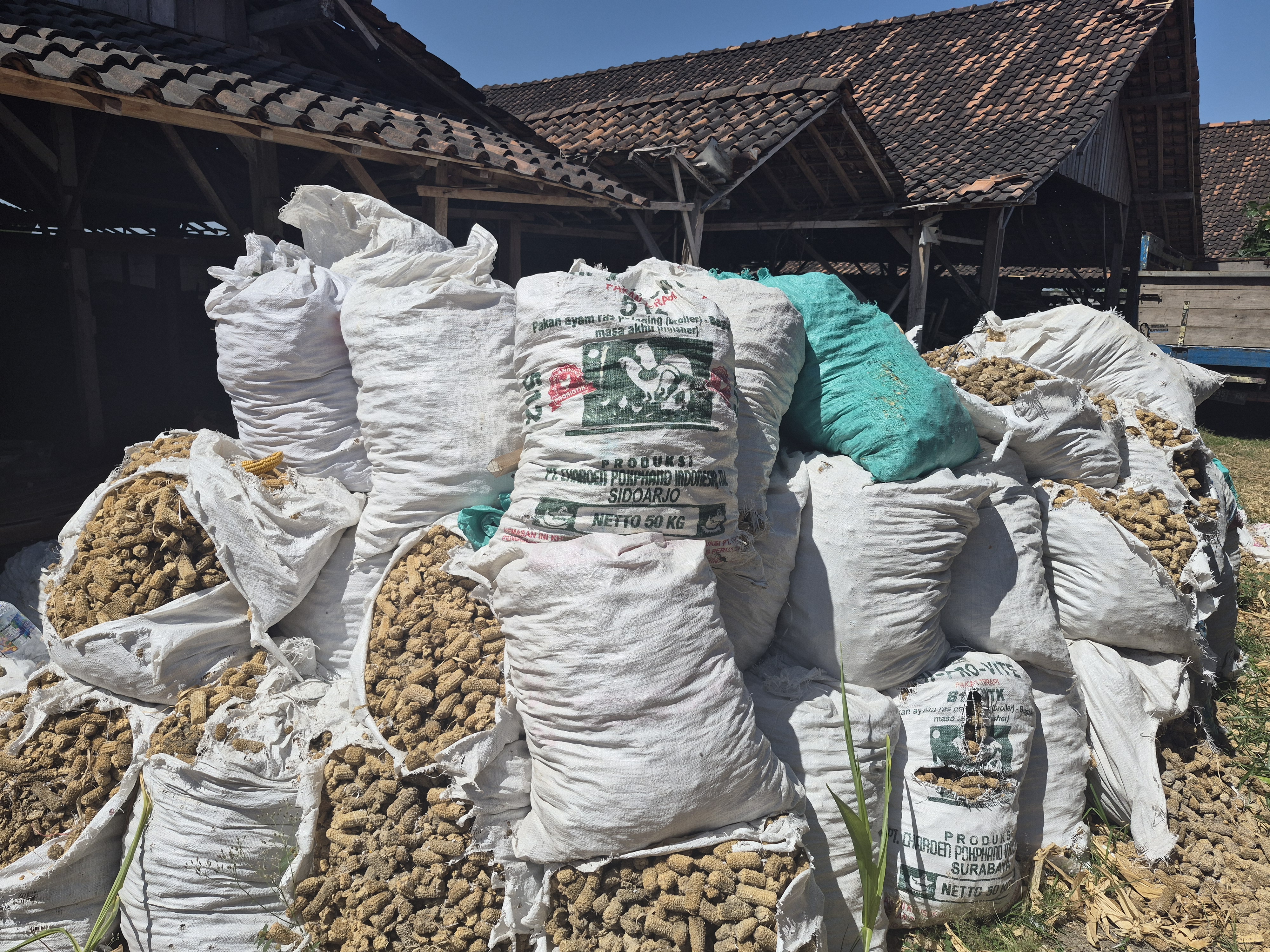
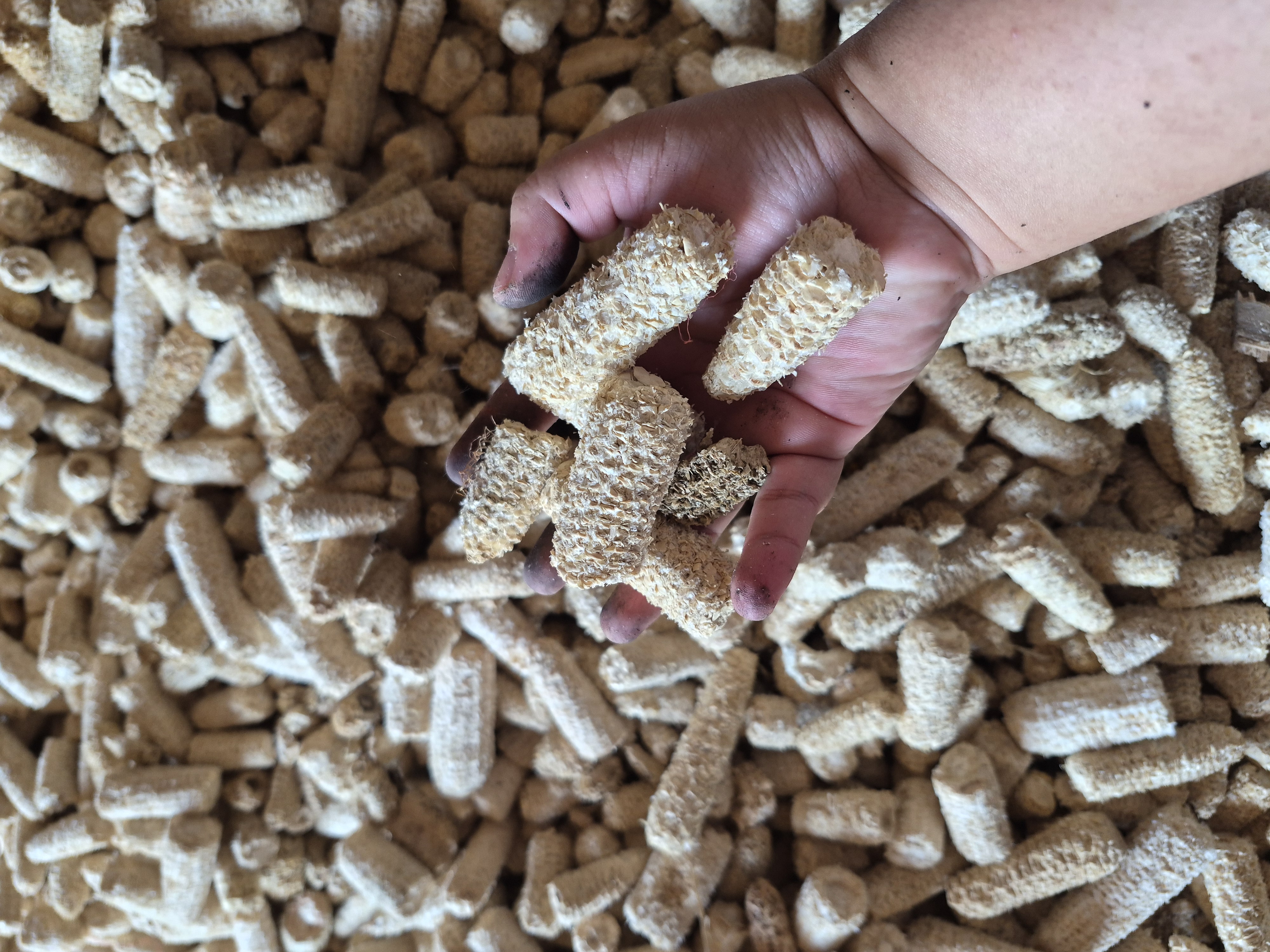
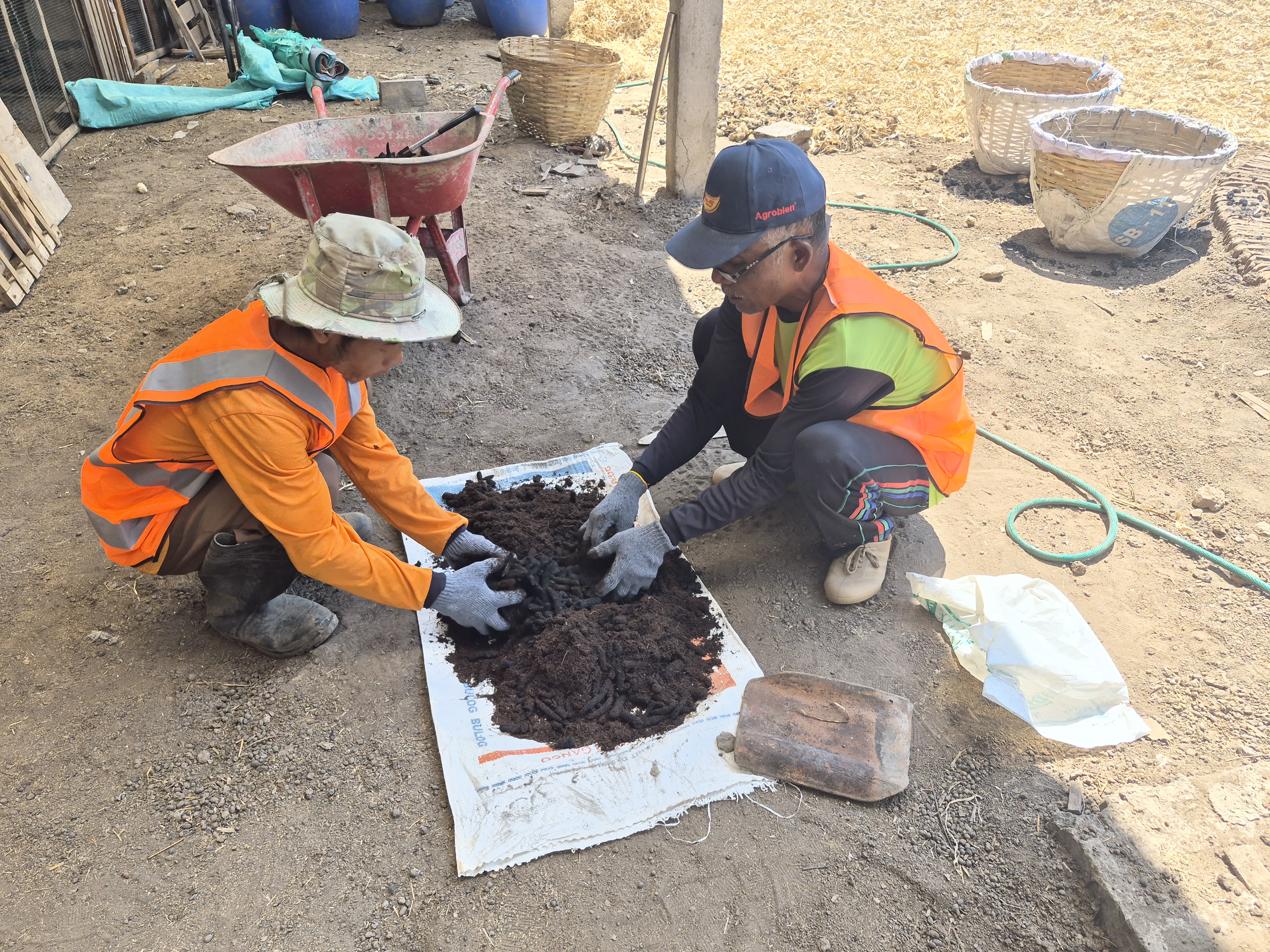
Local farm waste becomes carbon-storing biochar where it is produced — directly in the soil, using low-tech pyrolysis pits. Affordable, replicable, community-driven.
Energy Efficiency
No Fossil Fuels
Low-input, high-output method relying solely on controlled pyrolysis of on-site biomass.
Expected Soil Results
+15–25% increase in soil organic carbon. +20% improvement in moisture retention within one cropping cycle. Up to 50% reduced fertiliser dependency, with improved crop resilience.
Living Lab
National testbed
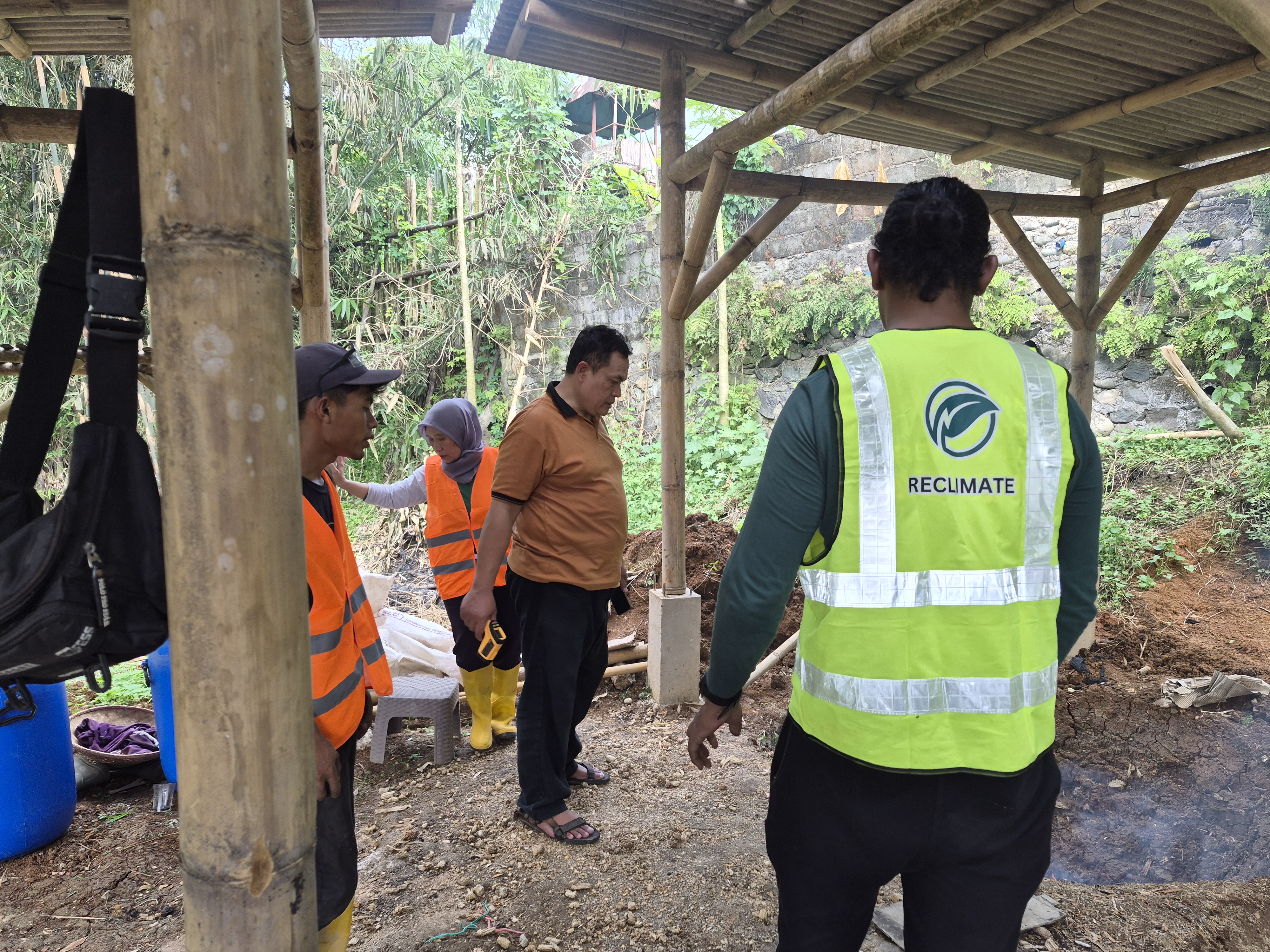
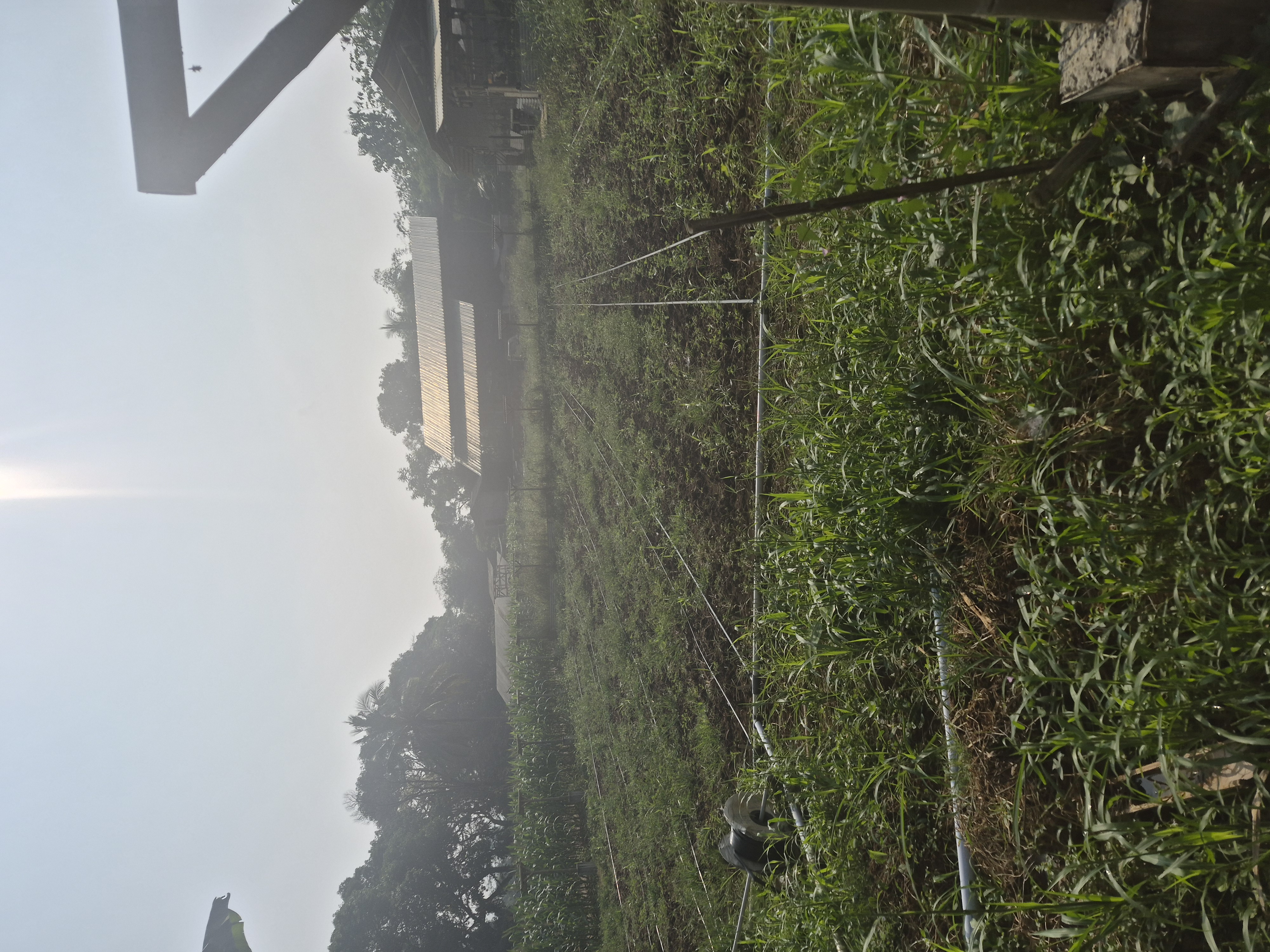
Agronomic trials run with agronomists, universities and carbon accounting partners, contributing to Indonesia’s evidence base for biochar removal.
1:5 Ratio
Net CDR-to-feedstock
For every 5 tonnes of crop waste, 1 tonne of stable carbon is sequestered — low operating cost, high scalability for distributed rural systems.
Carbon Capture Data
Each soil pit yields biochar locking away an estimated 2–3 tonnes of CO₂e per hectare, depending on feedstock composition and burn conditions.
Digital MRV
Three-layer verification
On-ground sampling and lab soil testing, remote sensing for biomass and land-use tracking, and data monitoring for transparency.

SCALABILITY
Simplicity Drives Scale
Local Potential
Up to 30,000 tCO₂e a year
Expanded across available agricultural waste in the regency alone, this model could offset up to 30,000 tonnes CO₂e annually. Now imagine it across the whole of Indonesia’s farming regions.
Modular Design
Decentralised hubs
Scalable to farms of any size, adaptable to plantation waste, garden trimmings and crop residues, and accessible with minimal training and equipment investment.


What the project changes on the ground
IMPACT & BENEFITS
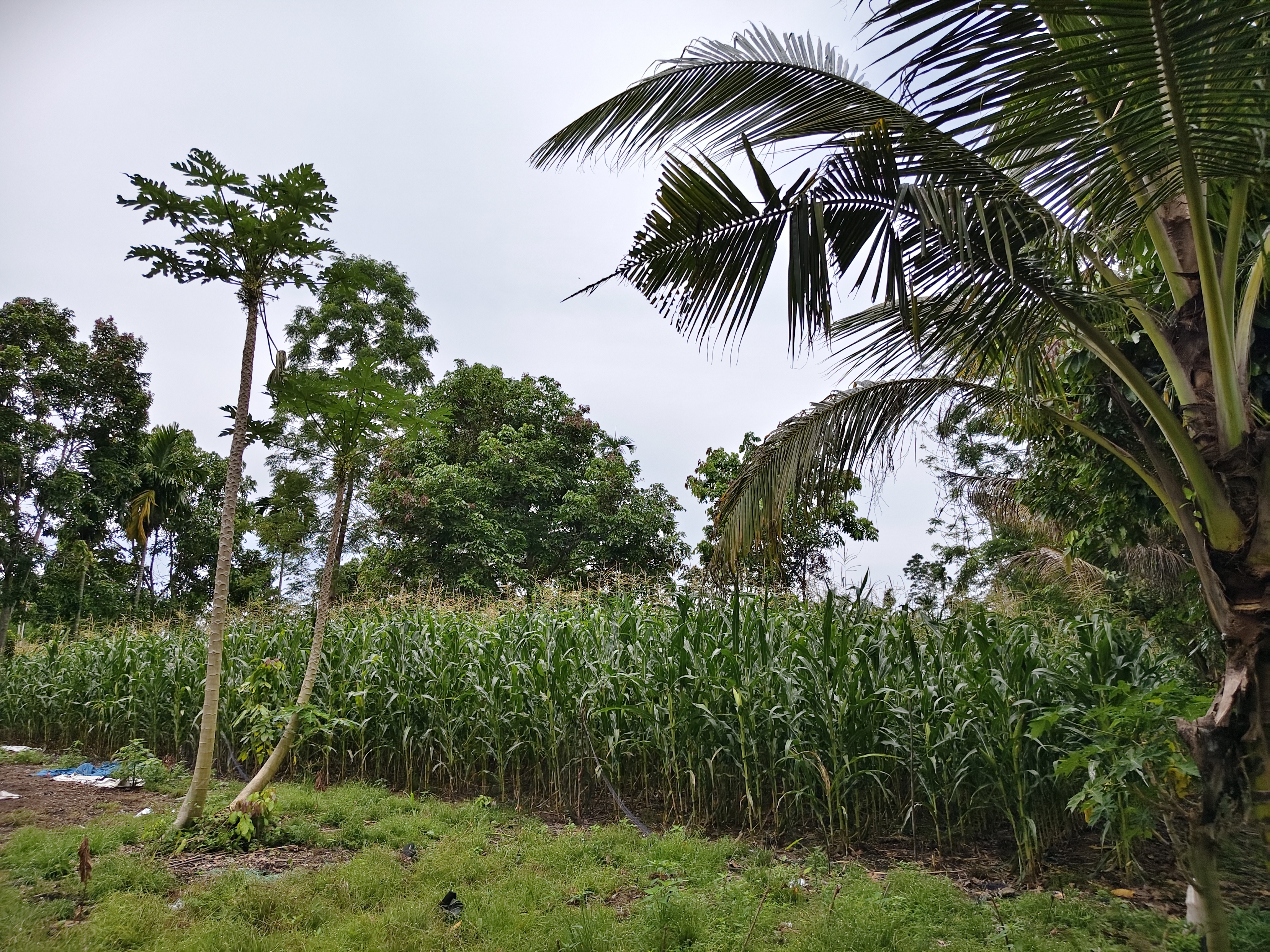
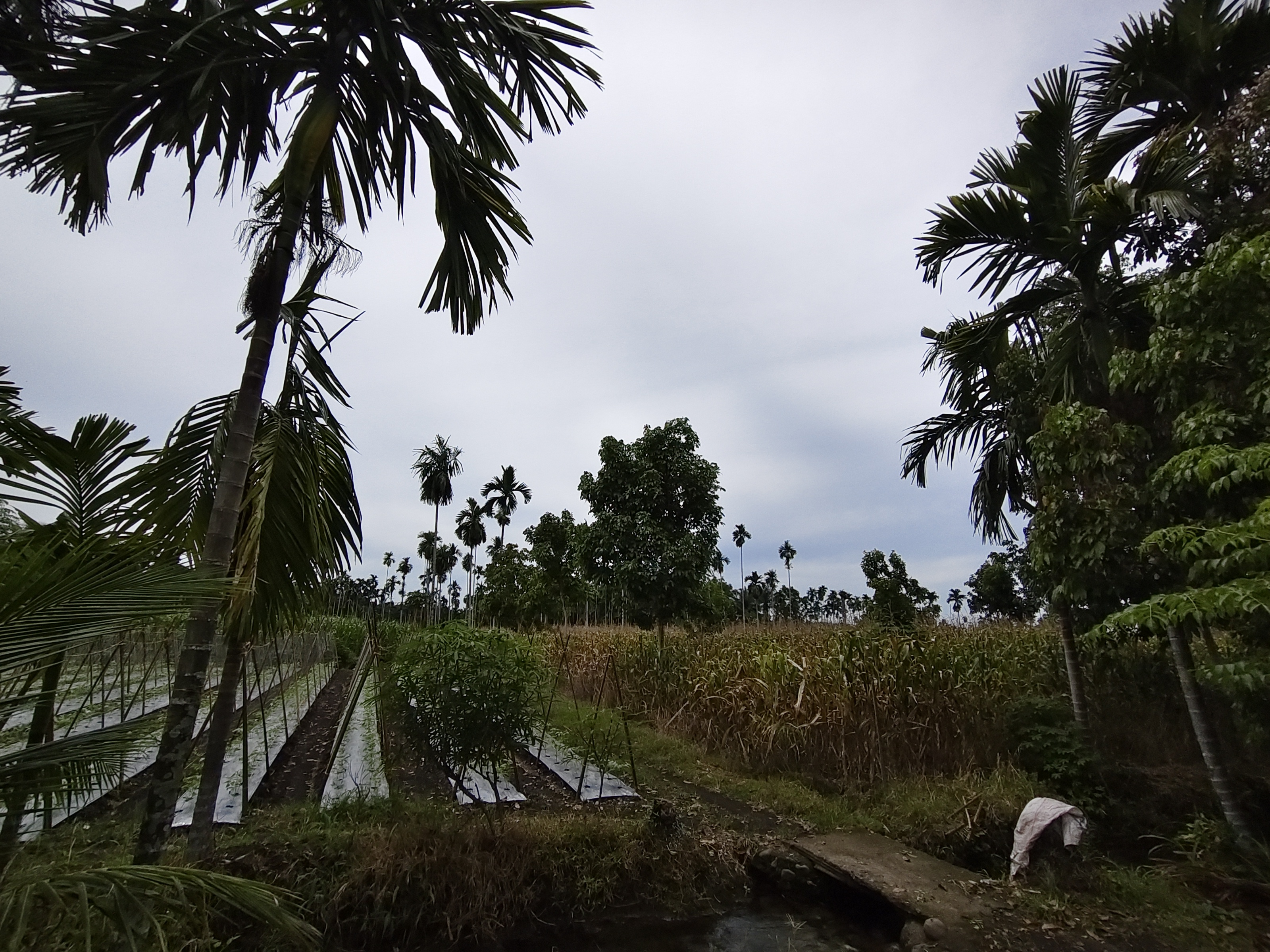
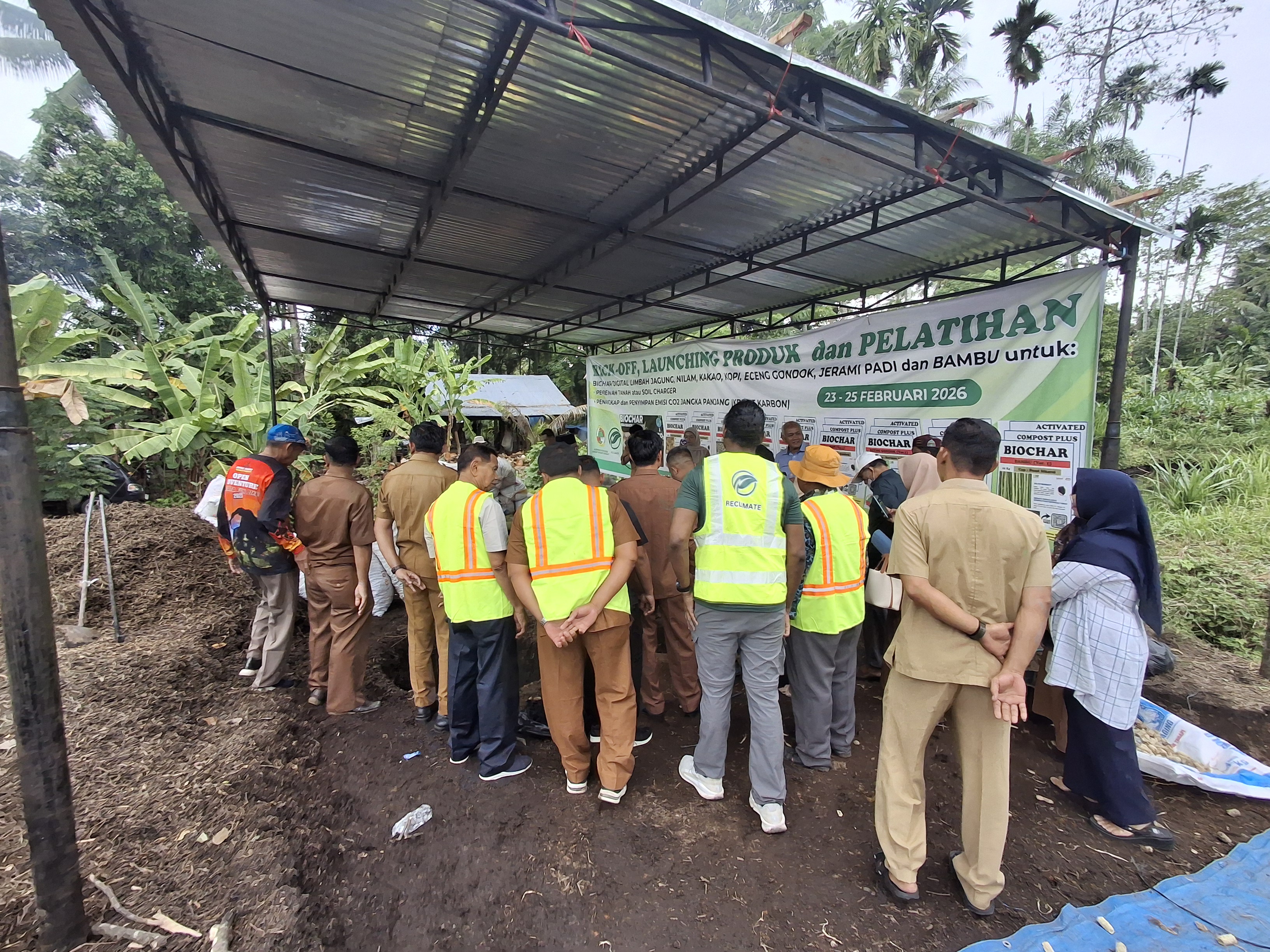
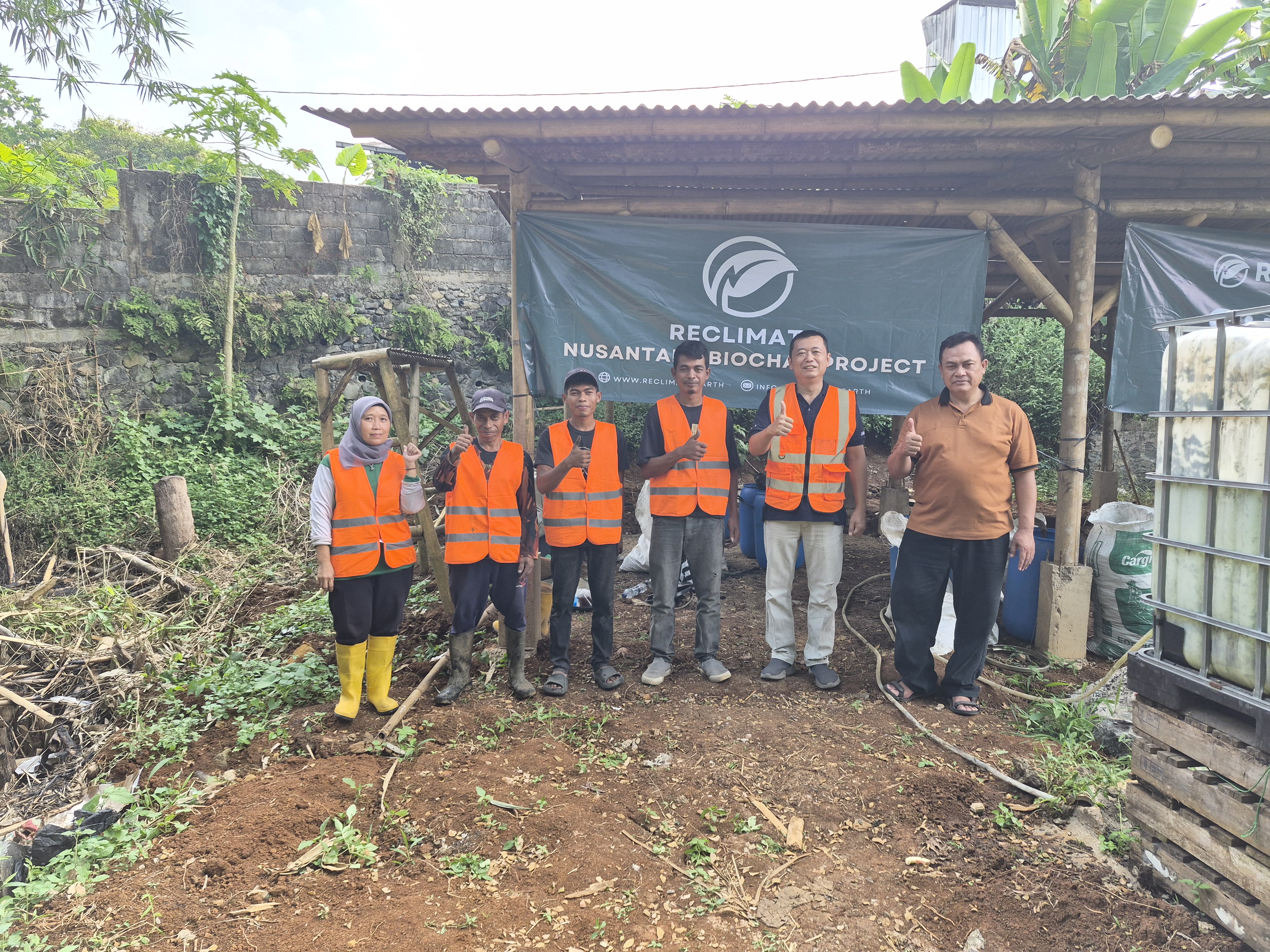
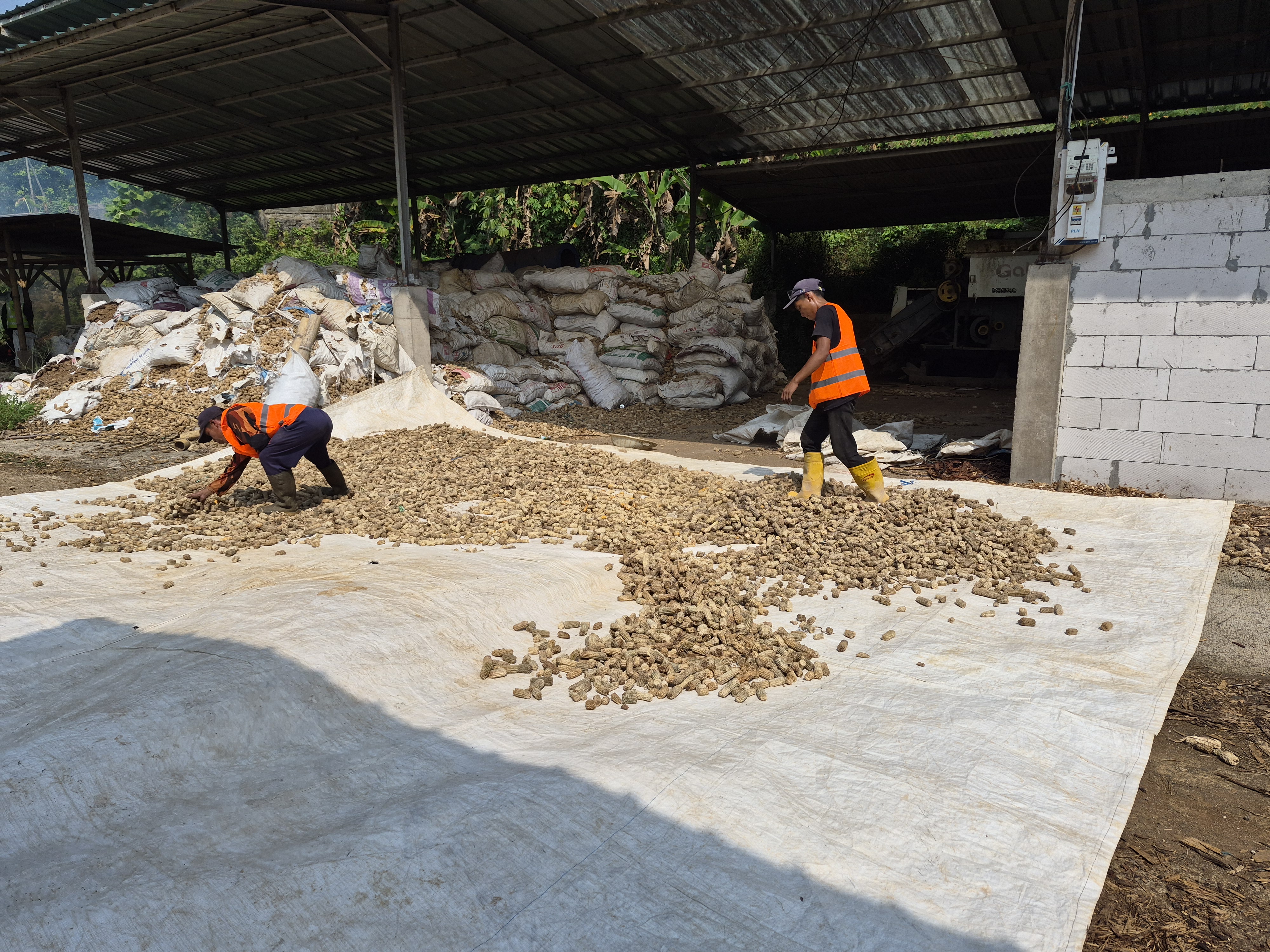
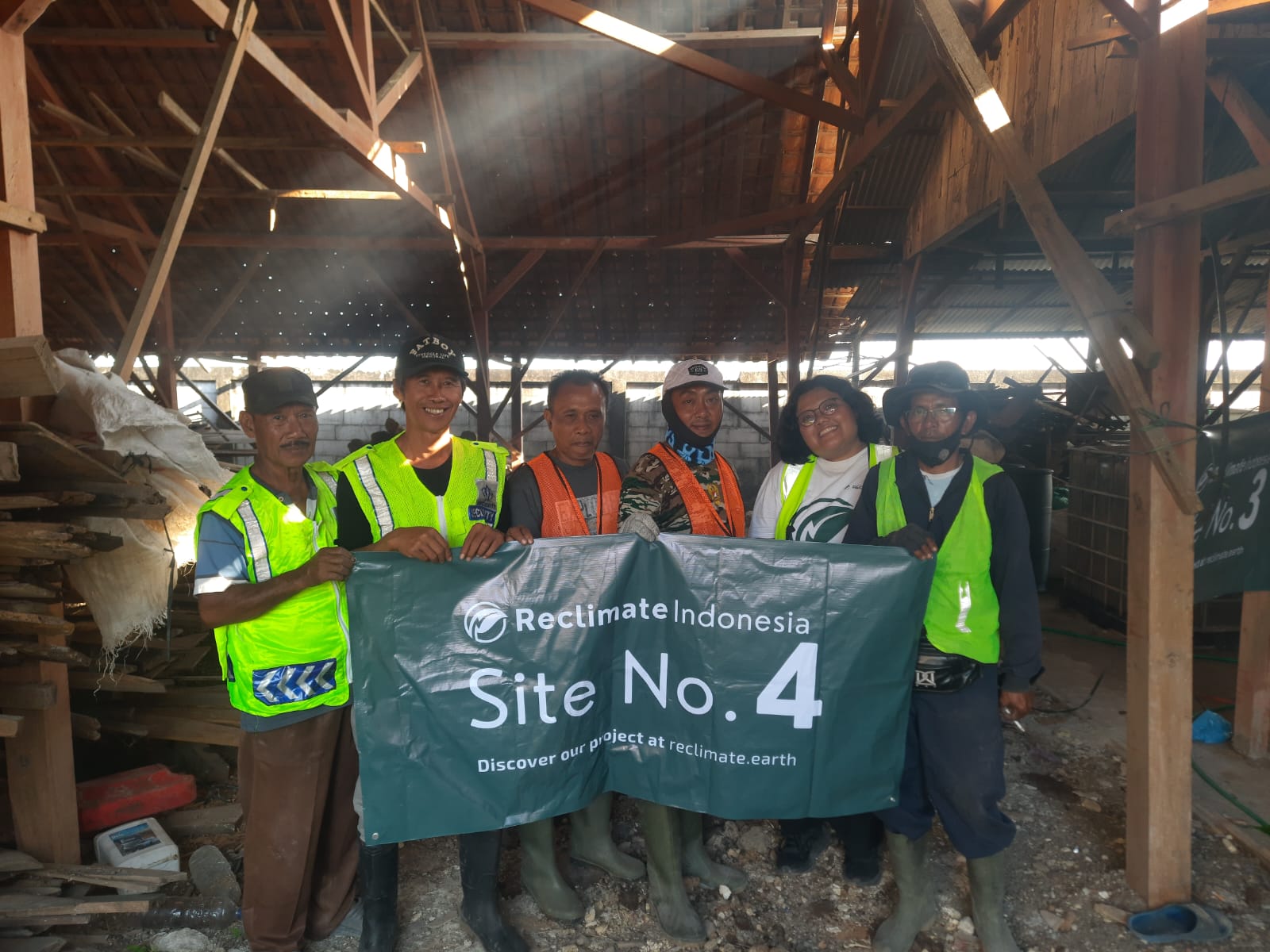
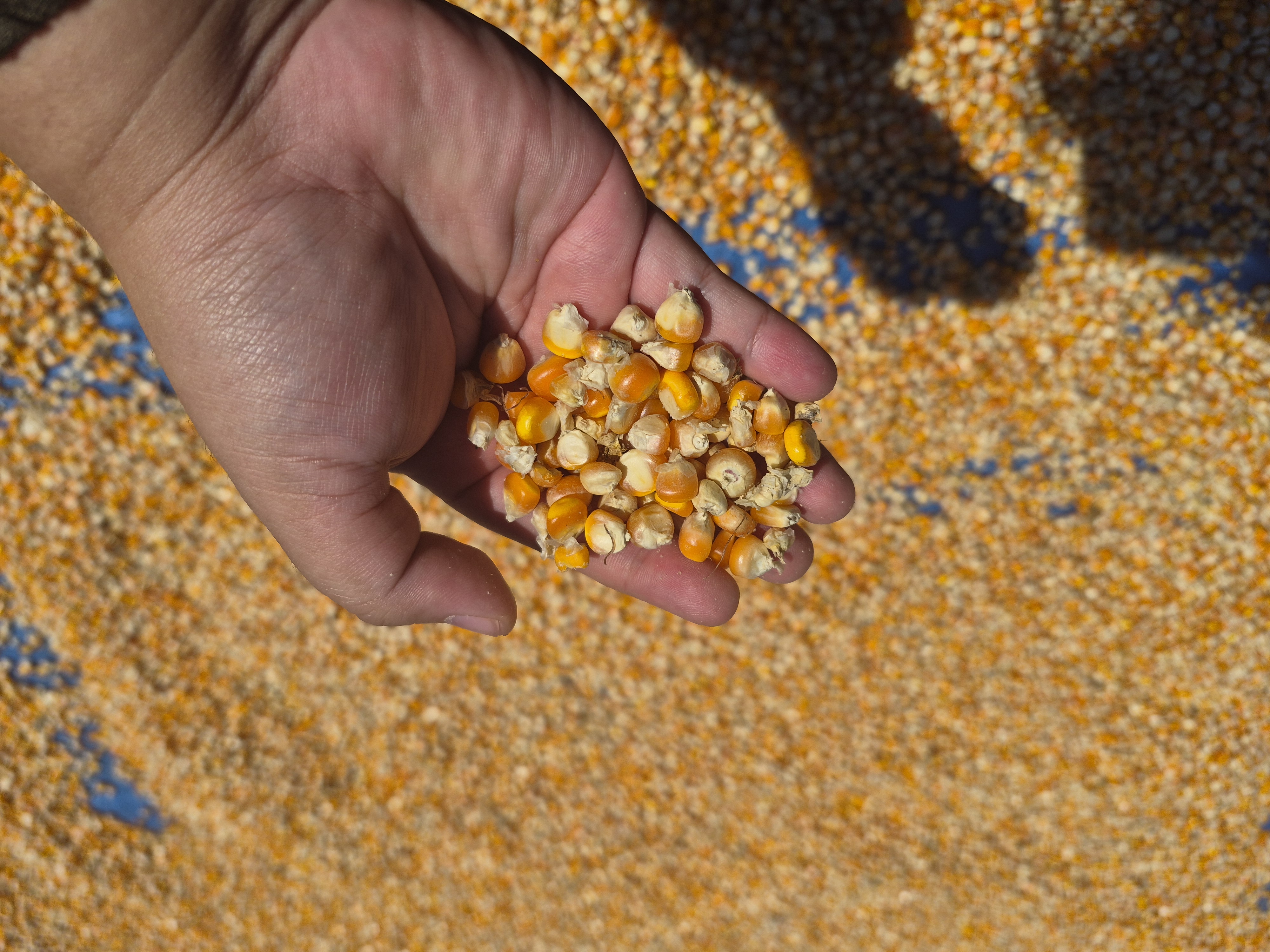
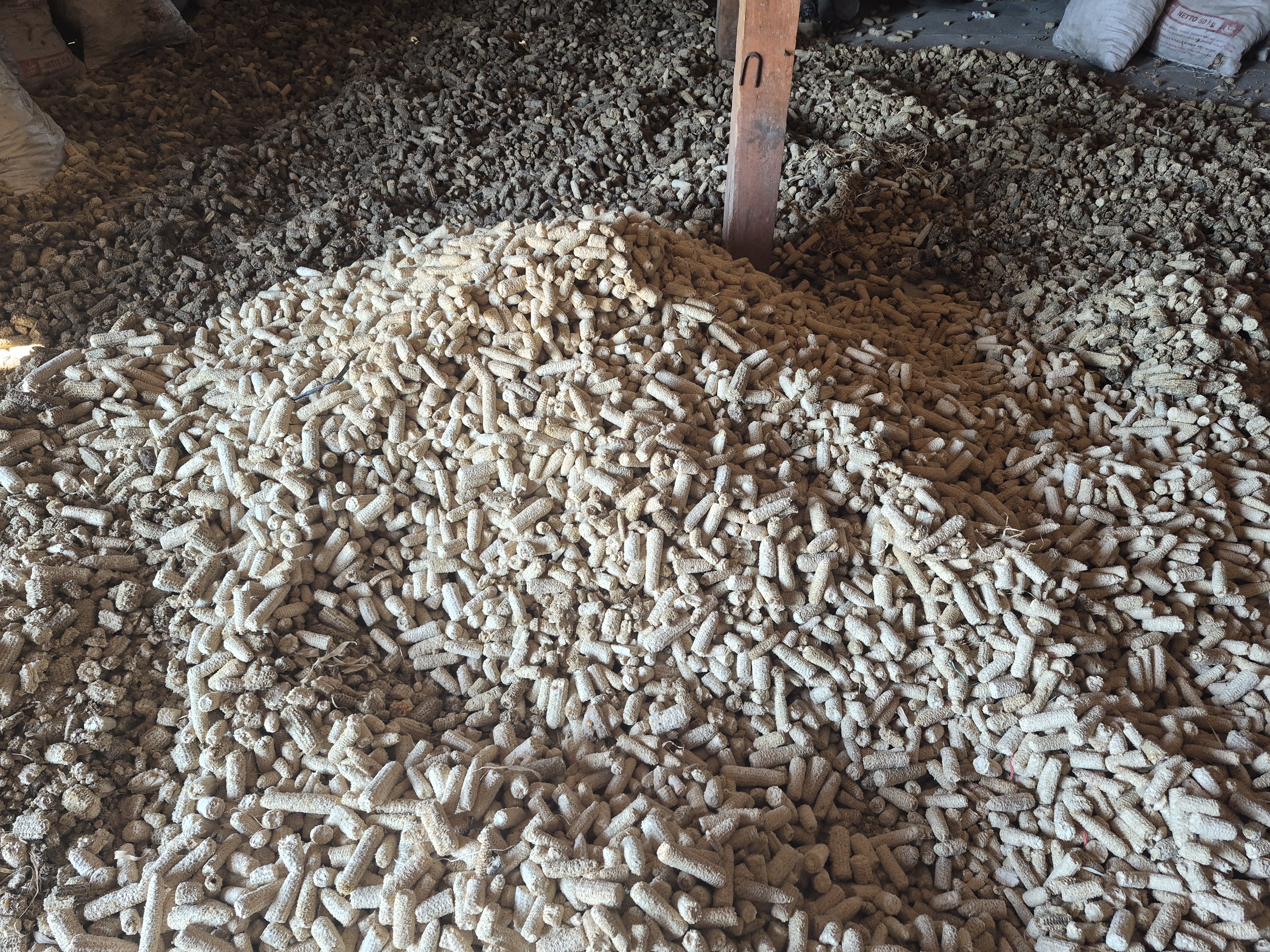
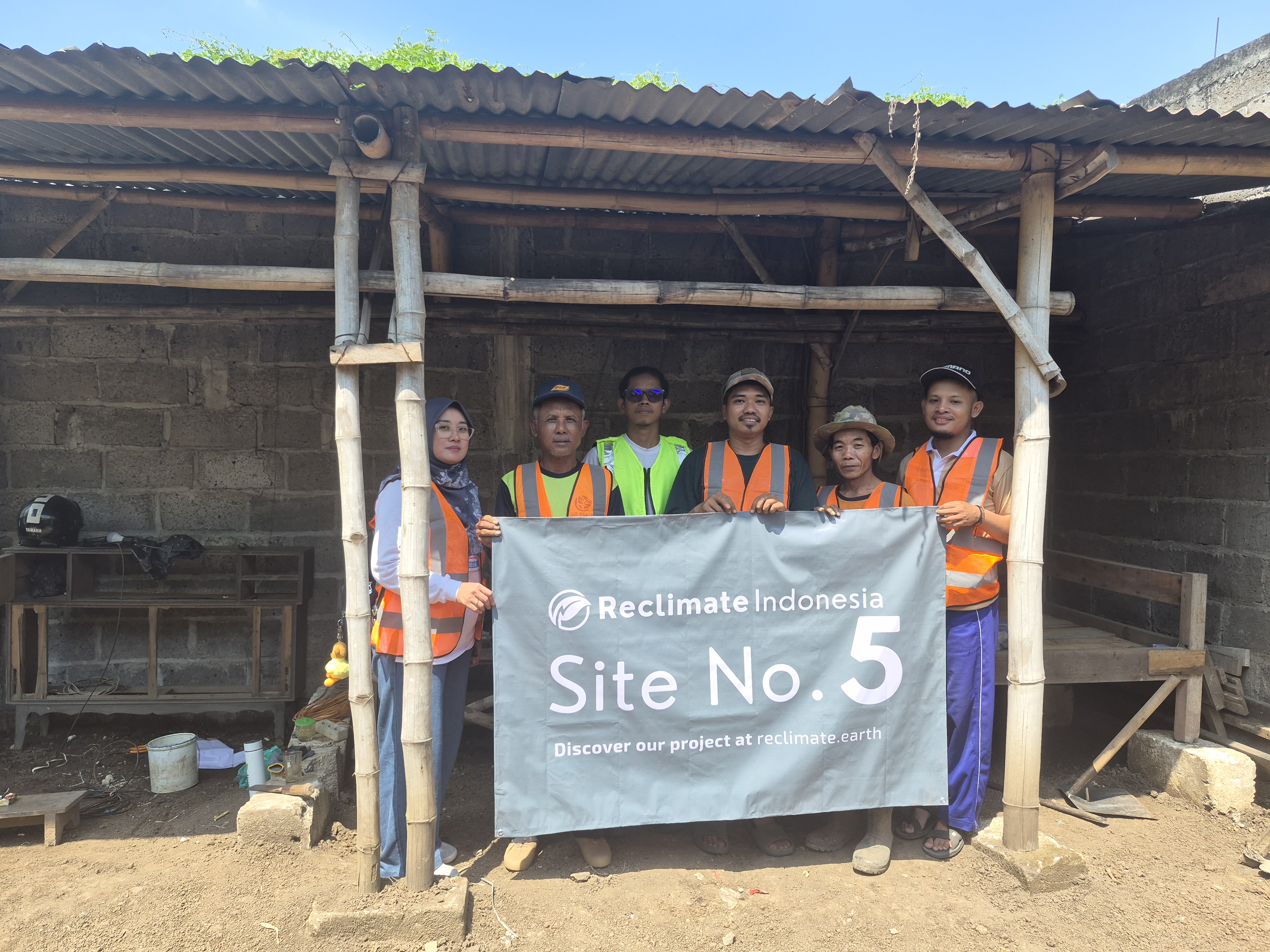
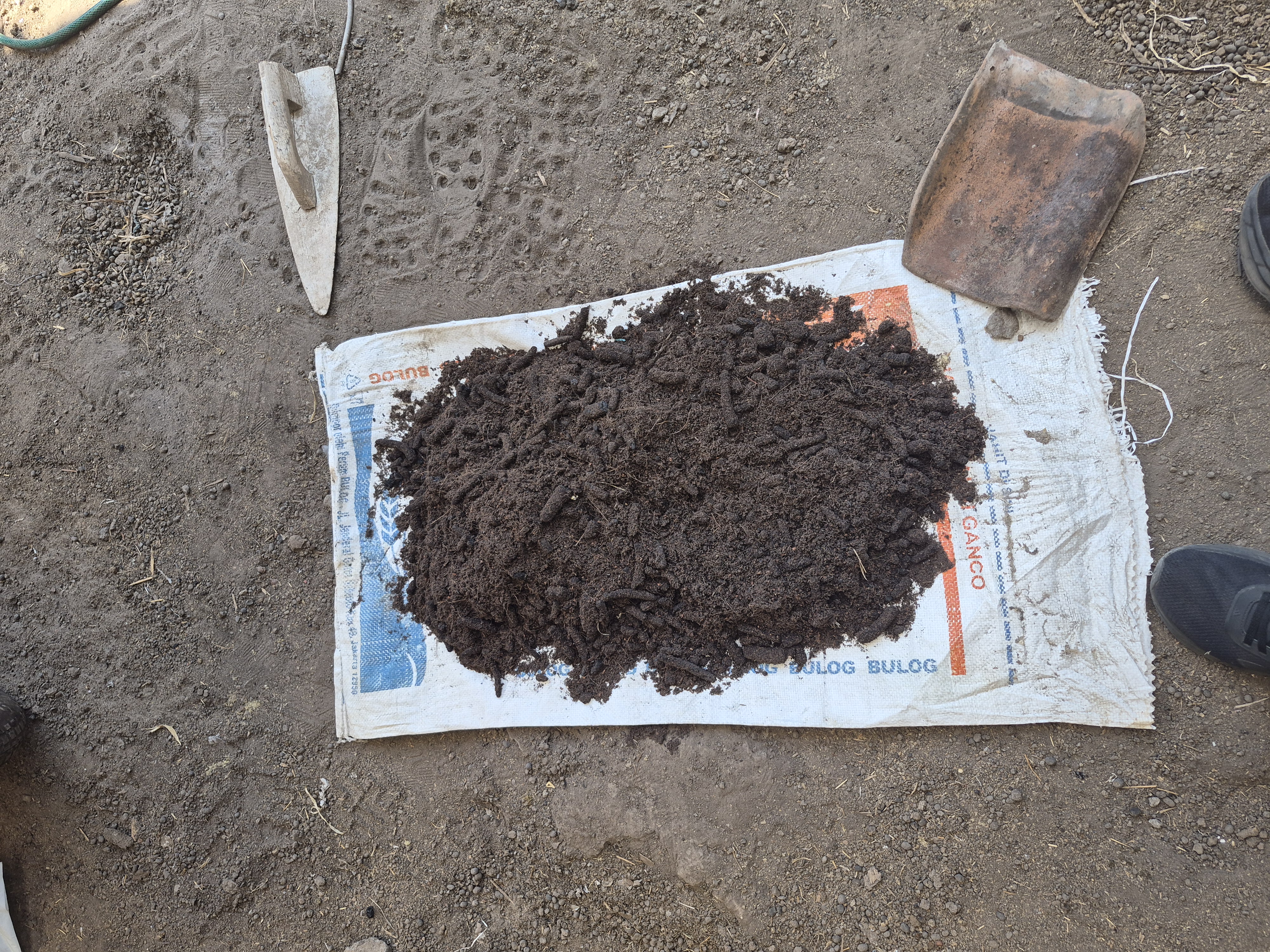
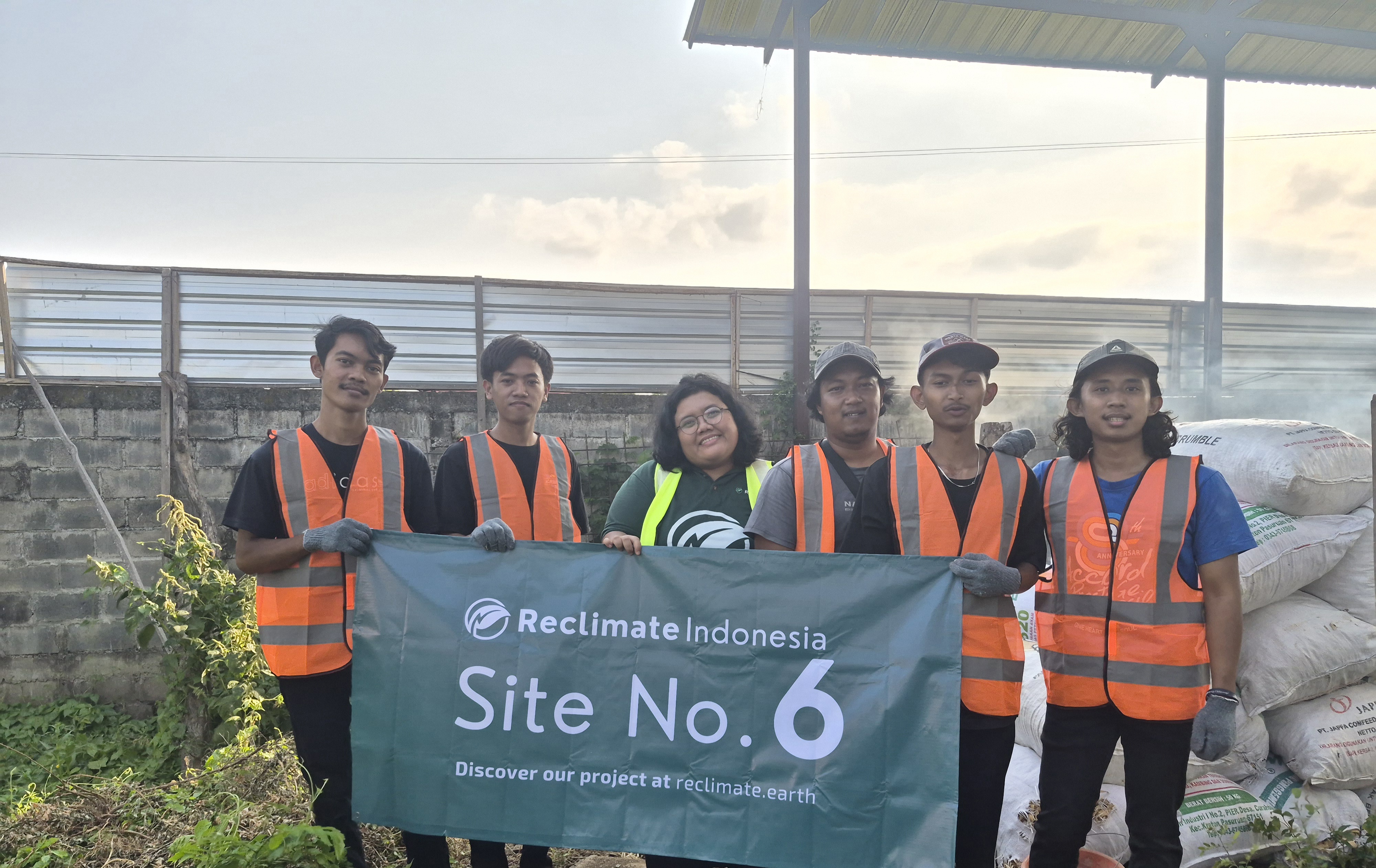
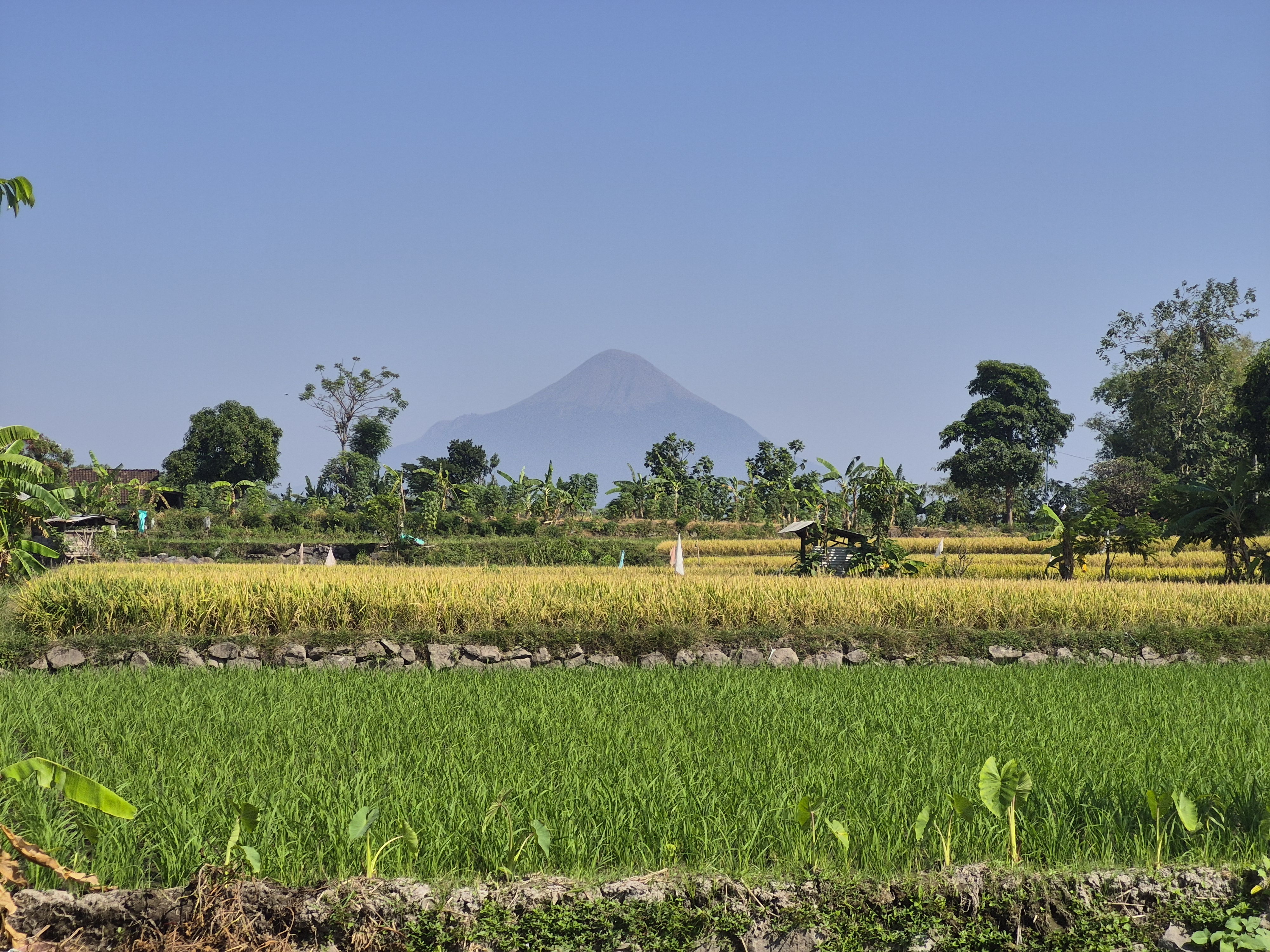
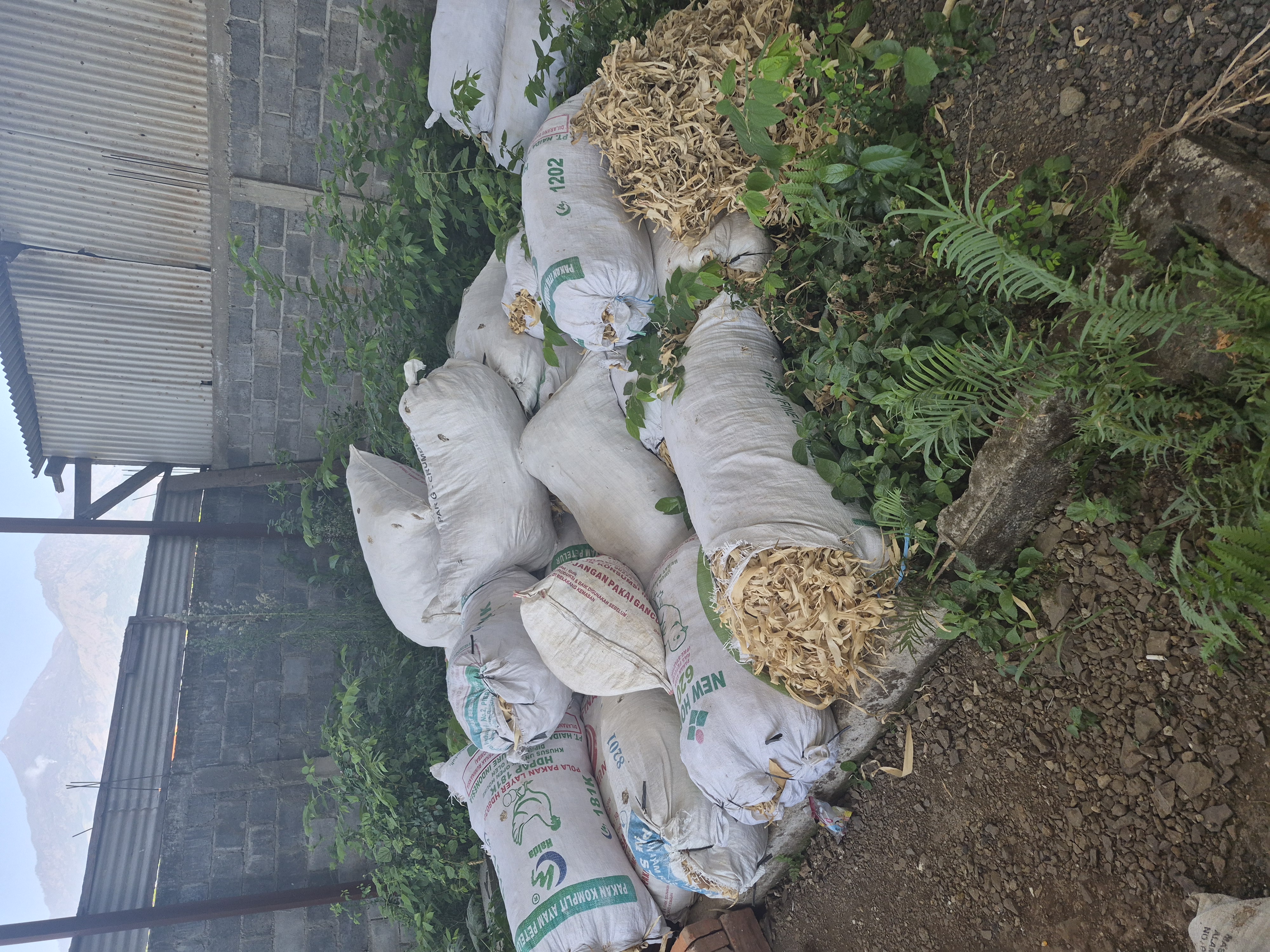
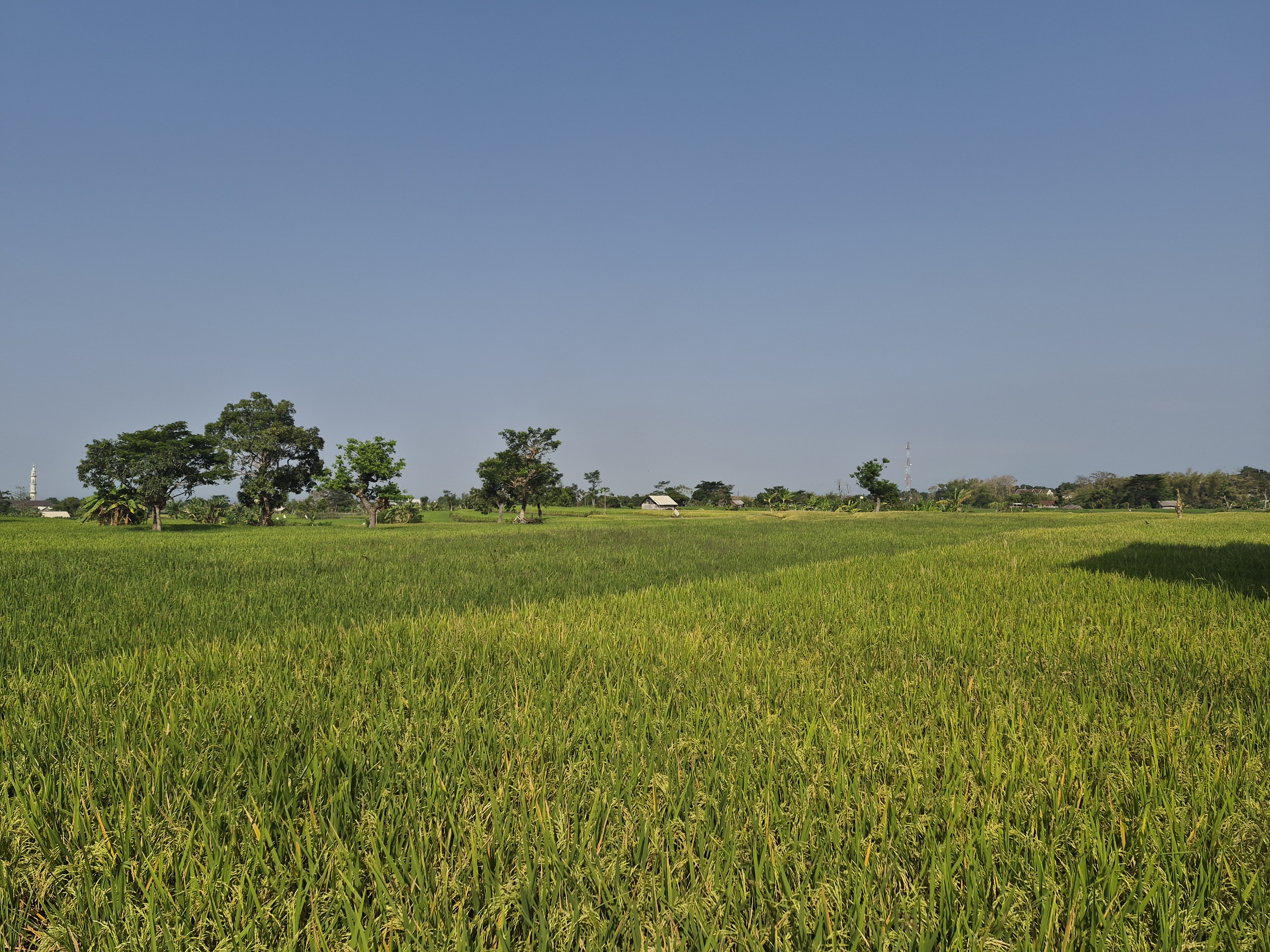
Project Sites
Unlocking the vast carbon removal potential of the Indonesian archipelago


CONTACT
Let’s discuss
your next project
Reclimate Sdn. Bhd.
Malaysia
Level 33A, Menara 1MK
Kompleks 1 Mont Kiara
No. 1 Jalan Kiara
50480 Mont Kiara
WP Kuala Lumpur
Tell us which door you are coming through and the email opens ready to send. Feedstock owners, biochar buyers and corporates with a removal target all start here.