
BIOCHAR
Proven . Affordable . Durable Carbon Removal
From ancient Amazonian soils to modern climate solutions, biochar is transforming how we fight climate change. By locking carbon away for centuries, biochar not only removes CO₂ from the atmosphere but also restores ecosystems and supports communities.

The Origin Story
Terra Preta of the Amazon
Centuries ago, Indigenous communities in the Amazon enriched poor soils with charred organic matter, creating fertile terra preta that still thrives today.
This ancient practice forms the foundation of modern biochar technology — a nature-based climate solution now gaining global attention.
What is Biochar?
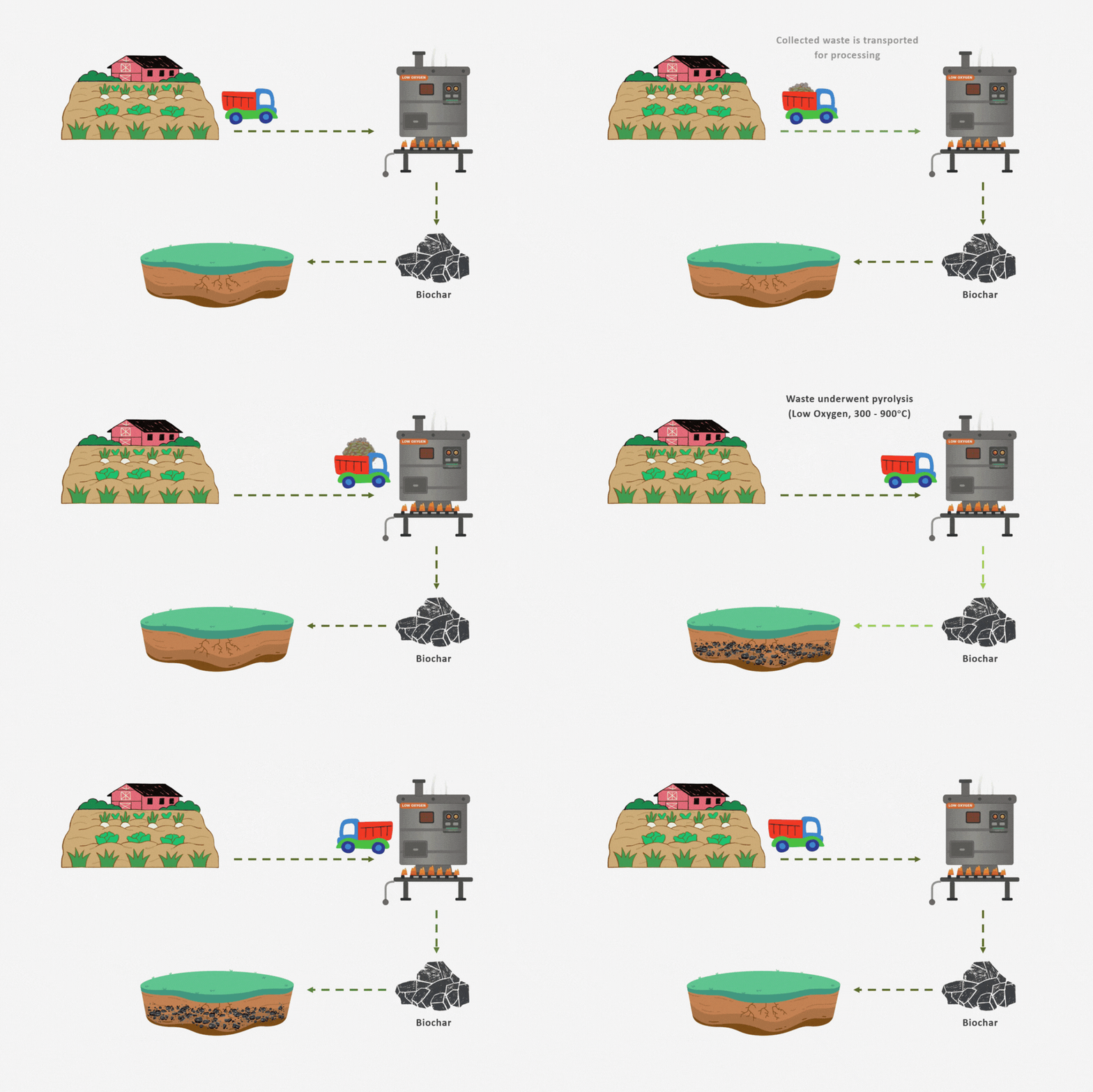
Biochar is a carbon-rich material produced by heating biomass such as crop residues from agricultural activities or wood waste, in a low-oxygen process called pyrolysis. Unlike a typical charcoal, biochar is designed for environmental and agricultural use as it locks carbon into solid form instead of releasing it as CO2.

Waste to Wealth:
Carbon Removal Streamline
Sustainable Feedstock Sourcing
For true carbon removal, the biomass waste must meet the "additionality" criteria—meaning the material (such as palm EFB, rice husks, or forestry residues) would have otherwise rotted or been burned, releasing CO2 and methane. Our collection process emphasizes traceability and ecological balance, ensuring that we only gather residues that are not required for local soil health, thereby maintaining a net-positive impact on the surrounding ecosystem.
Biochar in Carbon Removal Space
The leading carbon removal solution
80%+
of durable carbon removal method, 2024
60% - 70%
cheaper than engineered removals method
100s - 1000s
or years carbon locked away, resistant to reversal
Scalable
Built on existing agricultural and organic waste
Biochar in the Global Market
Biochar has emerged as the backbone of the carbon removal industry, delivered by major corporate buyers including Google and Microsoft at scale. As the fastest-growing region in the market, Asia-Pacific — with its abundant agricultural residues and expanding pyrolysis capacity — is positioned at the center of this growth, and Reclimate is building the projects to meet it.
$838M - $2.3B
Market size, 2026 to 2034
86%
Share of all carbon removal deliveries,
2024
~$150
Per tCO2e, voluntary market
16.8%
Asia-Pacific CAGR, fastest globally

Recognized in
Global Frameworks
From private standards to government-backed certification
IPCC
Recognizes biochar as a credible, durable, nature-based carbon removal pathway.
EU CRCF
First EU-wide certification methodology naming biochar directly, alongside DACCS and BioCCS.
ICVCM Core Carbon Principles
The emerging quality seal buyers look for across the voluntary carbon market.
SBTi
Helps companies meet Scope 3 targets in agriculture and food systems.
.jpg)
Biochar's impact reaches far beyond carbon storage. Every biochar project we develop is designed to deliver value beyond carbon removal.
Pollution Reduction
Biochar cuts methane, NO2 , and locks carbon away for hundreds to thousands of years, directly slowing climate change.

Poverty Alleviation
Biochar gives farmers a new way to earn — through better harvests and access to carbon credit markets.
.png)
Soil Restoration
Biochar restores degraded soil, helping land recover its fertility and hold up against drought and erosion.

Food Security
Healthier soil means better crop yields, even on land that used to struggle to grow much.
